

Abstract modern paintings have fundamentally transformed how we experience and interpret visual art in the 21st century. These non-representational works prioritize color, form, and texture over realistic depiction, offering viewers a deeply personal encounter with artistic expression. Whether you're a seasoned collector or just beginning to explore contemporary art, understanding the language of abstraction opens new dimensions of aesthetic appreciation and emotional connection.
Understanding the Foundations of Abstract Modern Art
Abstract modern paintings emerged from a revolutionary shift in artistic thinking during the early 20th century. Artists began questioning the necessity of representational accuracy, exploring instead how pure visual elements could convey meaning, emotion, and ideas. The origins of abstract art trace back to pioneers like Wassily Kandinsky and Kazimir Malevich, who believed that art could transcend literal interpretation.
Today's abstract works build upon this rich foundation while incorporating contemporary sensibilities and materials. Modern abstract painters work across multiple scales, from intimate studies on paper to monumental canvas installations.
Key Characteristics That Define Contemporary Abstract Work
Several distinct features separate abstract modern paintings from traditional representational art:
- Non-objective composition: Forms and shapes that don't reference recognizable objects
- Emphasis on color relationships: Chromatic interactions that create visual tension and harmony
- Textural exploration: Layering techniques that add physical depth
- Gestural expression: Brushwork and mark-making that reveals the artist's process
- Spatial ambiguity: Compositions that challenge conventional perspective
These elements combine in countless ways, allowing each artist to develop a unique visual language. The beauty of abstraction lies in its interpretive openness-viewers bring their own experiences and emotions to complete the work's meaning.
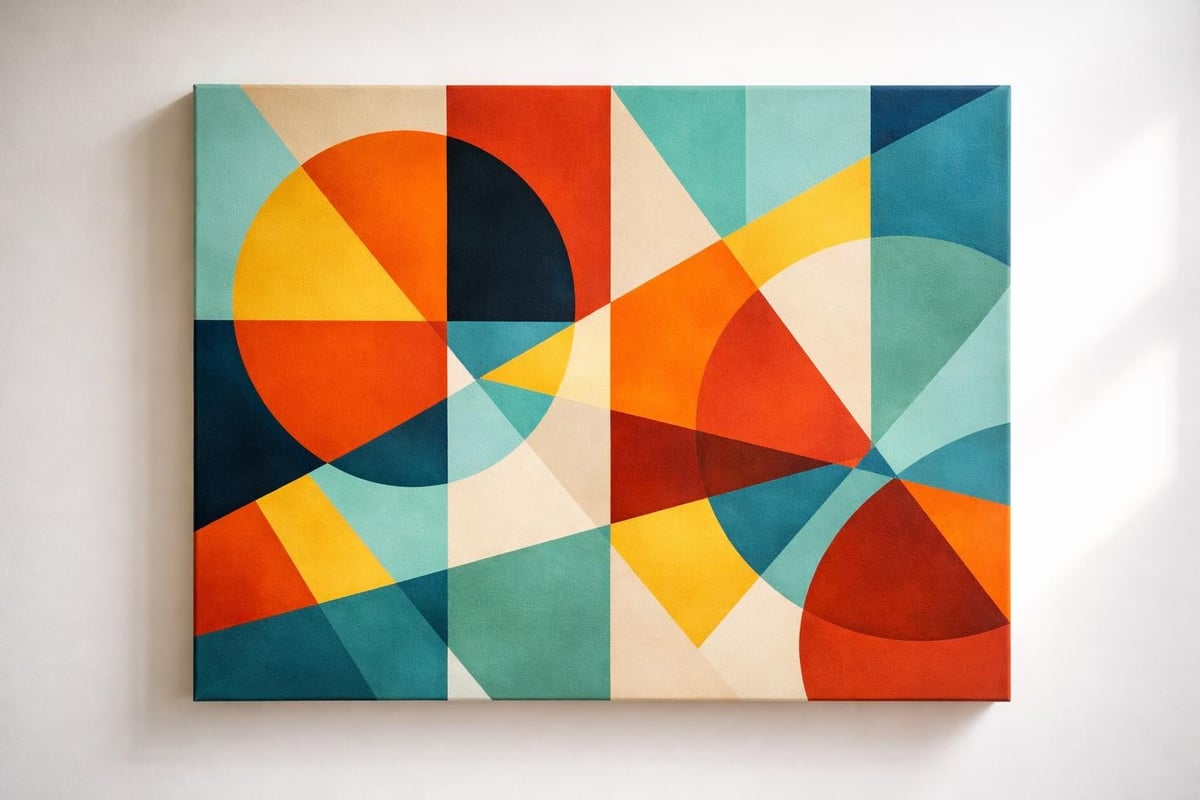
Exploring Major Styles Within Abstract Modern Painting
The world of abstract modern paintings encompasses numerous stylistic approaches, each with distinct characteristics and philosophical underpinnings. Understanding these categories helps collectors and enthusiasts navigate the diverse landscape of contemporary abstract art.
Geometric Abstraction and Chromatic Architecture
Geometric abstraction employs precise shapes, clean lines, and structured compositions. This approach emphasizes mathematical relationships and visual order. Artists working in this mode often explore chromatic architecture, investigating how color and form interact within defined spatial frameworks.
Hard-edge painting, minimalism, and color field work all fall under this broader category. These paintings often feature:
- Sharp delineations between color areas
- Systematic color progressions
- Balanced asymmetrical compositions
- Exploration of positive and negative space
Gestural and Expressive Abstraction
On the opposite end of the spectrum, gestural abstraction prioritizes spontaneity, emotion, and physical movement. This style connects directly to Abstract Expressionism's legacy, where the act of painting becomes as important as the finished product.
Characteristics include dynamic brushstrokes, dripped or poured paint, visible texture, and an emphasis on artistic process. The resulting works pulse with energy and emotional intensity.
| Style Category | Key Features | Emotional Quality | Technical Approach |
|---|---|---|---|
| Geometric | Structured, precise | Contemplative, ordered | Planned composition |
| Gestural | Dynamic, spontaneous | Energetic, raw | Intuitive process |
| Lyrical | Flowing, organic | Poetic, ethereal | Balanced technique |
| Minimalist | Reduced, essential | Meditative, calm | Restrained elements |
Materials and Techniques in Contemporary Abstract Painting
Abstract modern paintings utilize an expansive range of materials and methods. Traditional oil and acrylic paints remain popular, but contemporary artists frequently incorporate mixed media elements to achieve unique effects.
Traditional and Experimental Media
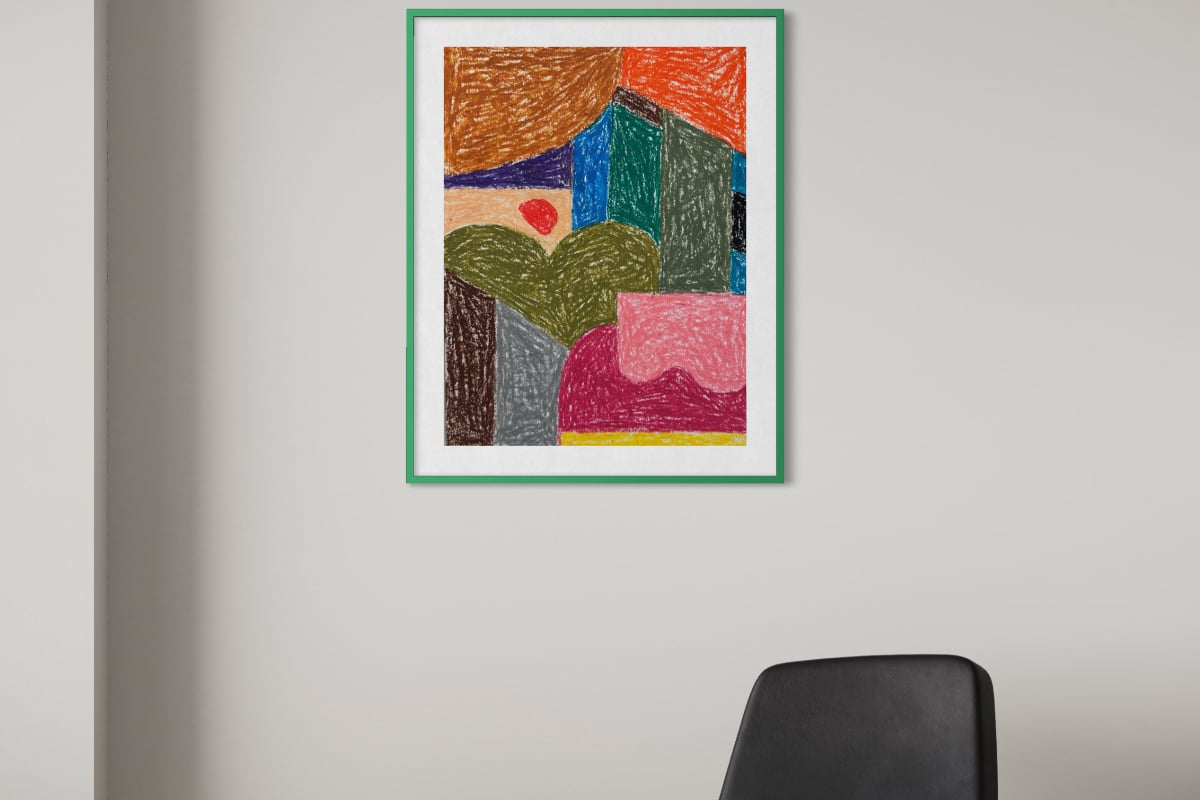
Oil pastels offer particular advantages for chromatic studies, providing rich color saturation and blendability. Archival paper serves as an excellent substrate for works on paper, ensuring longevity and preservation. Many artists combine multiple media within single compositions, layering gouache over watercolor or integrating collage elements.
The choice of materials significantly impacts the final aesthetic. Oil paints enable subtle gradations and extended working time, while acrylics dry quickly and allow for rapid layering. Water-based media create luminous transparencies that can't be achieved with opaque materials.
Surface Preparation and Layering Techniques
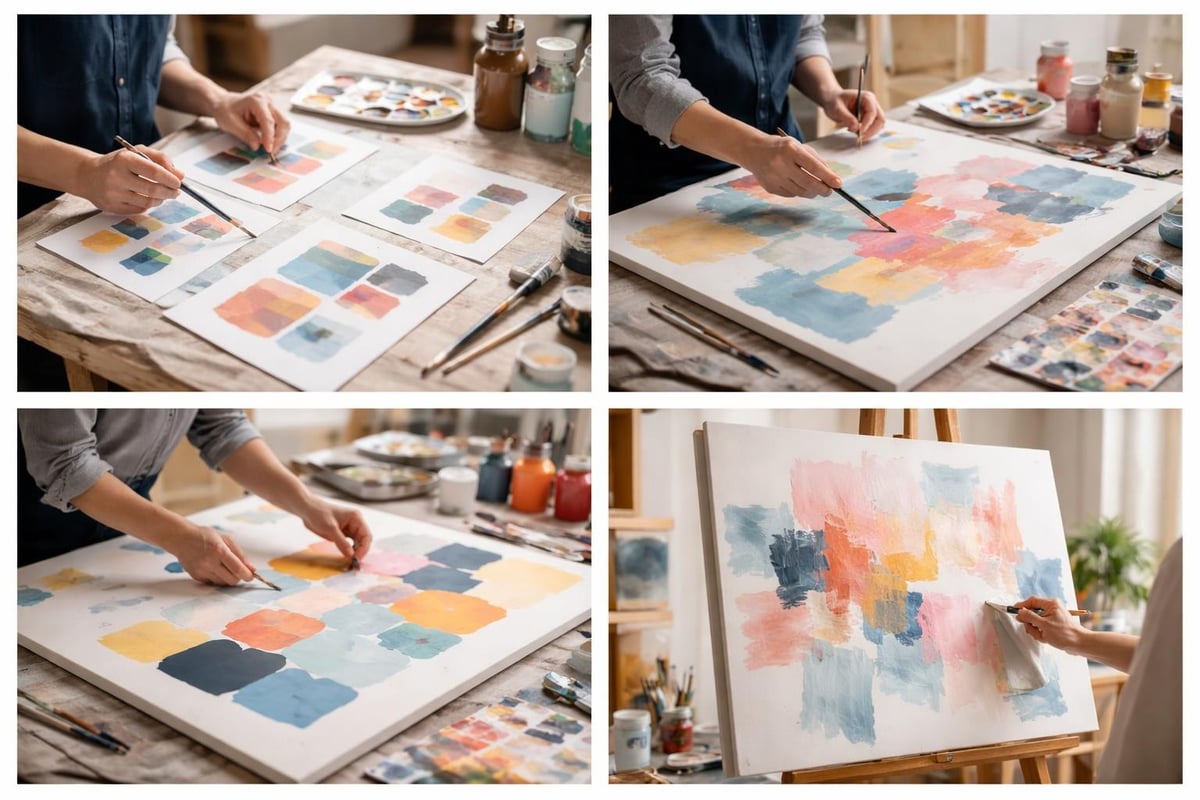
Professional abstract painters understand that groundwork determines success. Proper surface preparation creates tooth for paint adhesion and influences how colors interact.
- Gesso application: Multiple thin coats create an ideal painting surface
- Underpainting: Establishing value structure and composition
- Layering: Building depth through transparent and opaque passages
- Finishing: Varnishing or sealing to protect and unify
These technical considerations separate amateur attempts from professional abstract modern paintings that stand the test of time.
How to Evaluate and Select Abstract Modern Paintings
Evaluating abstract paintings requires a different approach than assessing representational work. Without subject matter as an anchor, viewers must engage with purely visual and emotional criteria.
Quality Indicators in Abstract Work
Several factors signal excellence in abstract modern paintings:
- Color sophistication: Nuanced relationships that avoid cliché combinations
- Compositional strength: Visual balance that holds attention without obvious symmetry
- Surface quality: Professional materials and execution
- Conceptual coherence: Work that demonstrates intentionality rather than randomness
- Technical skill: Evidence of control even within spontaneous-looking passages
An accomplished abstract painting reveals new details with extended viewing. Initial impact matters, but lasting interest develops through subtle complexities.
Matching Artwork to Your Space
Selecting pieces for specific environments involves practical and aesthetic considerations. Scale dramatically affects impact-a painting that commands attention in a gallery might disappear in a large living area, while an oversized work can overwhelm an intimate space.
Consider these factors when choosing abstract modern paintings:
Color palette compatibility: How the work's colors interact with existing décor
Visual weight: Whether the composition balances or intentionally disrupts the room
Lighting conditions: Natural versus artificial light affects color perception
Viewing distance: Detail visibility from typical viewing positions
Personal resonance: The emotional response the work evokes
For those exploring how to choose abstract art, remember that successful selections enhance your environment while reflecting personal aesthetic values.
The Investment Value of Abstract Modern Paintings
Abstract modern paintings represent both aesthetic and financial investments. The art market for contemporary abstraction has shown remarkable resilience and growth over recent decades, with emerging and established artists achieving significant recognition.
Understanding Provenance and Authenticity
When acquiring abstract works, documentation matters. Certificates of authenticity, artist signatures, and dating provide essential provenance information. Original works command premium prices compared to prints or reproductions, though high-quality prints offer accessible entry points for new collectors.
The difference between prints and original artwork extends beyond price-originals possess unique textural qualities and material presence that reproductions cannot capture. However, limited edition prints from established artists can appreciate substantially while remaining more affordable than unique pieces.
Building a Collection Strategically
Successful collectors develop focused approaches rather than acquiring randomly. Some concentrate on specific styles, particular artists, or thematic concerns. This focused collecting builds expertise and often results in more cohesive collections with stronger market value.
| Collection Strategy | Advantages | Considerations |
|---|---|---|
| Single artist focus | Deep understanding, potential appreciation | Limited diversity, artist-dependent value |
| Style-based | Cohesive aesthetic, broad representation | Requires extensive knowledge |
| Emerging artists | Accessible pricing, discovery potential | Higher risk, less established value |
| Mixed approach | Flexibility, varied investment | Requires broader expertise |
Contemporary Trends Shaping Abstract Modern Painting
The landscape of abstract modern paintings continues evolving as artists respond to technological, social, and cultural shifts. Contemporary practitioners bring fresh perspectives to abstraction's ongoing conversation.
Digital Influence and Hybrid Practices
Many contemporary abstract painters integrate digital tools into their creative process. Computer-aided design helps visualize compositions before committing to canvas, while digital printing techniques enable complex layering effects. Some artists create hybrid works combining traditional painting with digital elements.
This technological integration doesn't diminish the handmade quality that distinguishes original paintings. Instead, it expands possibilities while maintaining the physical presence that makes abstract modern paintings so compelling in person.
Sustainability and Material Consciousness
Increasing numbers of artists prioritize eco-friendly materials and sustainable practices. Water-based paints, recycled substrates, and non-toxic mediums gain popularity as environmental awareness grows. This shift doesn't compromise quality-many sustainable materials match or exceed traditional options in performance and longevity.
The chromatic architecture approach, which explores how color and geometric form create visual structures, has gained particular prominence in 2026. Artists working within this framework examine spatial relationships through bold color applications and layered compositions. The Chromatic Study exemplifies this contemporary direction, utilizing oil pastel on archival paper to create balance and tension through carefully considered geometric elements.
Abstract Art's Cultural and Emotional Impact
Beyond market considerations and aesthetic appeal, abstract modern paintings fulfill profound cultural and psychological functions. Understanding abstract art involves recognizing its capacity to communicate beyond verbal language.
Emotional Resonance and Personal Interpretation
Abstract works invite subjective interpretation, allowing viewers to project their own experiences and emotions onto non-representational forms. This openness creates deeply personal connections that representational art sometimes cannot achieve. A color combination or gestural mark might trigger memories, emotions, or associations unique to each viewer.
Research suggests that engaging with abstract art activates different neural pathways than viewing representational imagery. The brain works harder to find meaning, creating a more active viewing experience that can be both challenging and rewarding.
Spatial Transformation and Environmental Impact
Abstract modern paintings transform architectural spaces in unique ways. A well-chosen abstract work can:
- Establish focal points that organize visual attention
- Introduce color palettes that influence ambient mood
- Create visual rhythm that affects spatial perception
- Provide contemplative anchors in busy environments
Interior designers increasingly recognize abstraction's versatility across diverse settings, from corporate offices to residential spaces.
Commissioning Custom Abstract Modern Paintings
For those seeking truly personalized work, art commissions offer opportunities to collaborate directly with artists. This process allows specific size requirements, color preferences, and thematic concerns to shape the final piece.
The Commission Process
Working with an artist on commissioned abstract modern paintings typically follows several stages:
- Initial consultation: Discussing vision, preferences, and parameters
- Concept development: Artist creates preliminary sketches or studies
- Approval and refinement: Client feedback shapes the direction
- Execution: Artist completes the final work
- Delivery and installation: Ensuring proper presentation
Successful commissions require clear communication and mutual respect between artist and client. The best results emerge when clients provide guidance without micromanaging, allowing artists room for creative interpretation.
Pricing Considerations for Custom Work
Commission pricing reflects multiple factors including materials, size, complexity, artist experience, and timeline constraints. Original abstract modern paintings on archival materials command appropriate compensation for the artist's expertise, time, and material investment. Rush timelines typically incur additional fees.
When budgeting for commissioned work, remember that custom pieces offer unique value-these artworks exist nowhere else and perfectly suit your specific requirements.
Learning From Abstract Modern Masters
Studying accomplished practitioners accelerates understanding of abstract modern paintings. Abstract art movements have shaped contemporary practice in profound ways, establishing vocabularies and approaches that remain relevant today.
Contemporary artists build upon historical foundations while developing distinctive voices. Some draw inspiration from mid-century color field painting, others reference hard-edge geometry or gestural expressionism. Understanding these lineages enriches appreciation of current work.
Visiting galleries, attending studio tours, and exploring artist collections provide direct encounters with abstract modern paintings that screen images cannot replicate. Physical presence matters enormously in abstract work-texture, scale, and subtle color variations reveal themselves only through direct observation.
Developing Your Visual Literacy
Cultivating the ability to read and appreciate abstract modern paintings requires patient, repeated exposure. Start by spending extended time with individual works rather than quickly scanning multiple pieces. Notice your emotional responses, identify what draws your eye, and observe how long the work holds your attention.
Consider keeping a visual journal documenting your responses to different abstract modern paintings. Over time, patterns emerge revealing personal preferences and developing aesthetic sensibilities. This self-knowledge proves invaluable when selecting work for your own collection or space.
Abstract modern paintings offer unlimited possibilities for personal expression, spatial transformation, and aesthetic exploration. Whether you're drawn to structured geometric compositions or spontaneous gestural works, the contemporary abstract landscape provides abundant options for every taste and budget. If you're ready to bring the power of abstraction into your own environment, explore the original works and collections at Nathalie Chikhi, where chromatic studies, geometric compositions, and unique artistic visions await discovery.
