

The concept of art avant has fundamentally transformed how we understand and create contemporary visual works. This revolutionary approach to artistic expression emerged from a desire to break free from conventional boundaries, establishing new visual languages that continue to influence creators across the globe. Understanding the principles and evolution of art avant provides valuable insight into modern artistic practices and helps collectors, designers, and art enthusiasts appreciate the innovative spirit that drives contemporary creation.
Understanding the Foundations of Art Avant
The term avant-garde originally described military formations positioned ahead of the main force, but its application to art has come to represent those who push beyond established boundaries. Art avant represents more than simply being different-it embodies a philosophical commitment to innovation, experimentation, and challenging the status quo of artistic convention.
This movement gained significant momentum during the late 19th and early 20th centuries when artists began questioning traditional representation methods. The shift toward abstraction, geometric forms, and experimental techniques marked a departure from academic art traditions that had dominated European salons for centuries.
Key Characteristics That Define Art Avant
Several distinguishing features characterize art avant movements and practitioners:
- Rejection of traditional techniques in favor of experimental approaches
- Emphasis on concept over technique, prioritizing ideas and innovation
- Breaking formal boundaries between different artistic disciplines
- Challenging audience expectations and conventional aesthetic standards
- Exploring new materials and methods that expand artistic possibilities
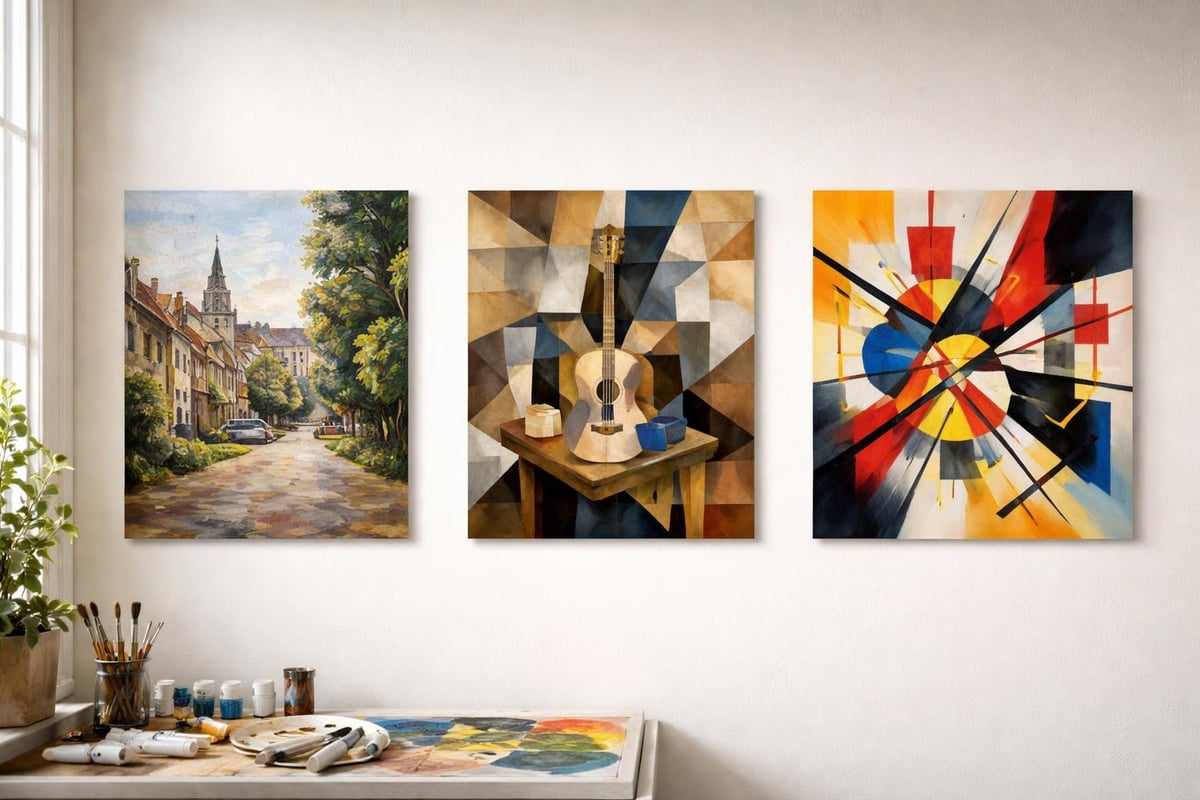
The exploration of chromatic architecture demonstrates how contemporary artists continue this avant-garde tradition by reimagining color relationships and geometric compositions.
Historical Development and Influential Movements
Art avant encompasses numerous movements that emerged throughout the 20th century, each contributing unique perspectives to artistic innovation. Understanding these movements provides context for contemporary experimental practices.
Early Pioneers and Breakthrough Movements
| Movement | Period | Key Innovation |
|---|---|---|
| Impressionism | 1860s-1880s | Light and perception over realistic detail |
| Cubism | 1907-1920s | Multiple perspectives simultaneously |
| Dadaism | 1916-1924 | Rejection of logic and embrace of chaos |
| Surrealism | 1920s-1940s | Unconscious mind and dream imagery |
| Abstract Expressionism | 1940s-1950s | Emotional intensity through abstraction |
The evolution of avant-garde art demonstrates how each movement built upon previous innovations while establishing distinct visual vocabularies. These pioneers recognized that artistic progress required willingness to risk misunderstanding and rejection.
Cubism, pioneered by Pablo Picasso and Georges Braque, shattered traditional perspective by presenting subjects from multiple viewpoints simultaneously. This radical approach fundamentally altered how artists conceived spatial relationships on two-dimensional surfaces.
Mid-Century Transformations
Post-war art avant movements expanded beyond painting and sculpture to encompass performance, installation, and conceptual works. Artists increasingly questioned the very definition of art itself, exploring ideas that prioritized concept over traditional craftsmanship.
The minimalist movement stripped away decorative elements, focusing on essential forms and materials. This reductionist approach challenged viewers to engage with pure spatial relationships and material properties rather than narrative or symbolic content.
Art Avant in Contemporary Practice
Modern artists continue the experimental spirit of historical avant-garde movements while incorporating new technologies and cultural contexts. The principles established by early innovators remain relevant as contemporary creators explore digital media, interactive installations, and cross-disciplinary collaborations.
How Contemporary Artists Apply Avant-Garde Principles
Today's art avant practitioners demonstrate innovation through various approaches:
- Material experimentation using unconventional or sustainable resources
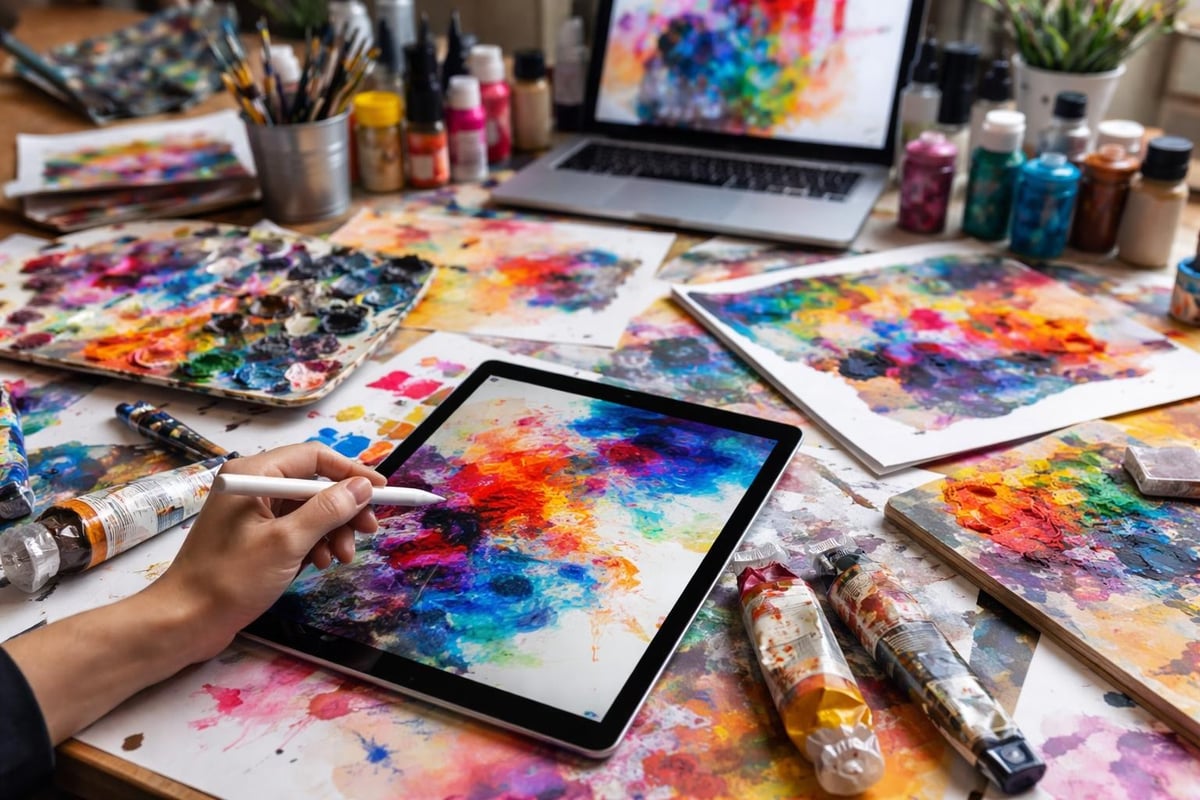
- Digital integration combining traditional techniques with technology
- Participatory experiences that engage audiences as co-creators
- Cross-cultural synthesis blending diverse aesthetic traditions
- Social commentary addressing contemporary issues through visual language
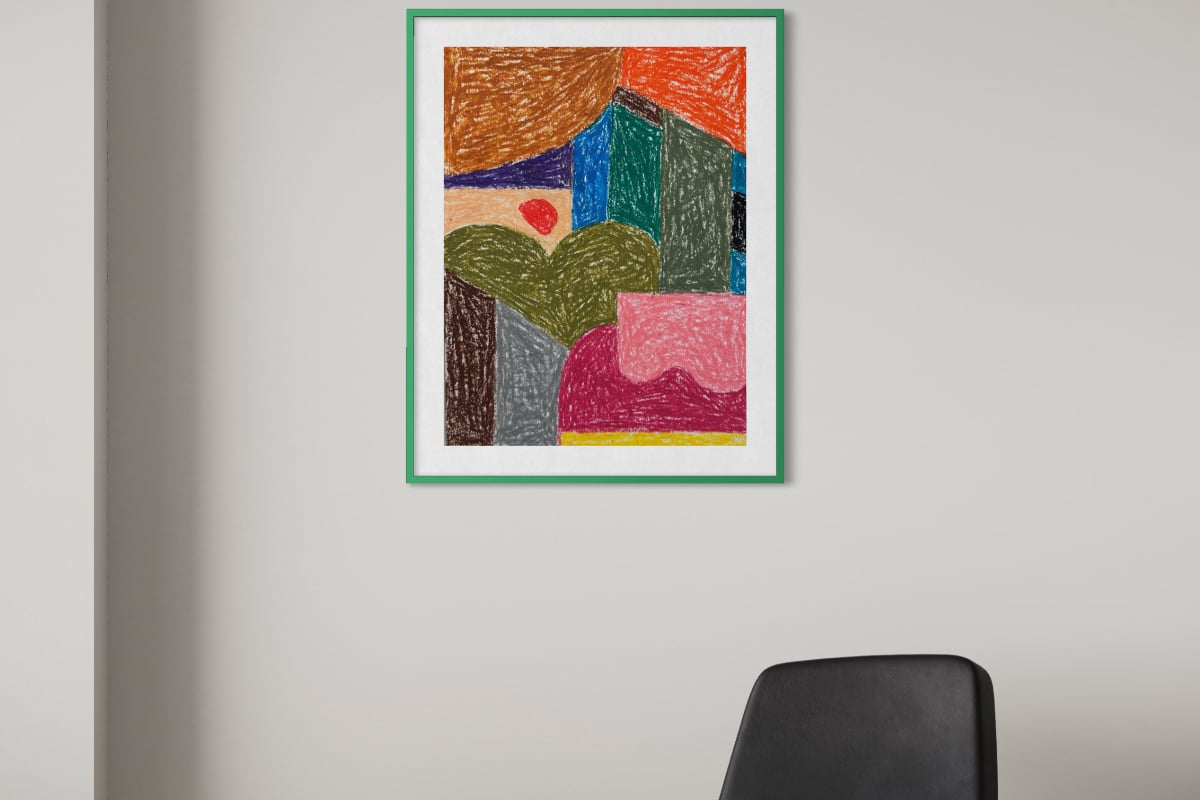
Contemporary paintings often reflect avant-garde influences through their bold compositional choices and experimental color relationships. Artists working in geometric abstraction, for instance, continue exploring how formal elements create visual tension and harmony.
The chromatic study approach exemplifies how layered geometry and intentional color relationships can create dynamic compositions that challenge viewer perception. Works like the chromatic study 8.5x11 demonstrate how contemporary artists explore balance and tension through carefully constructed geometric forms and vibrant color palettes.
Collecting and Appreciating Art Avant
Understanding what makes art avant significant helps collectors and enthusiasts make informed decisions about acquiring contemporary works. The value of experimental art extends beyond aesthetic appeal to encompass historical significance and innovative vision.
Evaluating Avant-Garde Artworks
When considering art avant pieces for your collection, several factors merit attention:
Technical Innovation: Does the work demonstrate new approaches to materials, composition, or concept? Genuine avant-garde pieces often introduce techniques or ideas that expand artistic possibilities.
Conceptual Depth: Strong experimental works balance visual impact with intellectual engagement. The most compelling pieces invite sustained contemplation and reveal new dimensions over time.
Cultural Context: Understanding the artist's position within broader artistic conversations enhances appreciation. Christie's insights into avant-garde art provide valuable perspective on evaluating contemporary experimental works.
Building an Avant-Garde Collection
| Consideration | Why It Matters | Action Step |
|---|---|---|
| Artist Research | Understand creative vision and trajectory | Review artist statements and exhibition history |
| Authenticity | Ensure work genuinely represents innovation | Compare with established movements |
| Condition | Preserve long-term value | Request condition reports and certificates |
| Provenance | Verify artwork history | Document acquisition details |
Collectors interested in geometric abstraction should explore various approaches, from drawings that capture initial creative exploration to finished compositions that represent fully realized concepts.
Integrating Art Avant into Interior Spaces
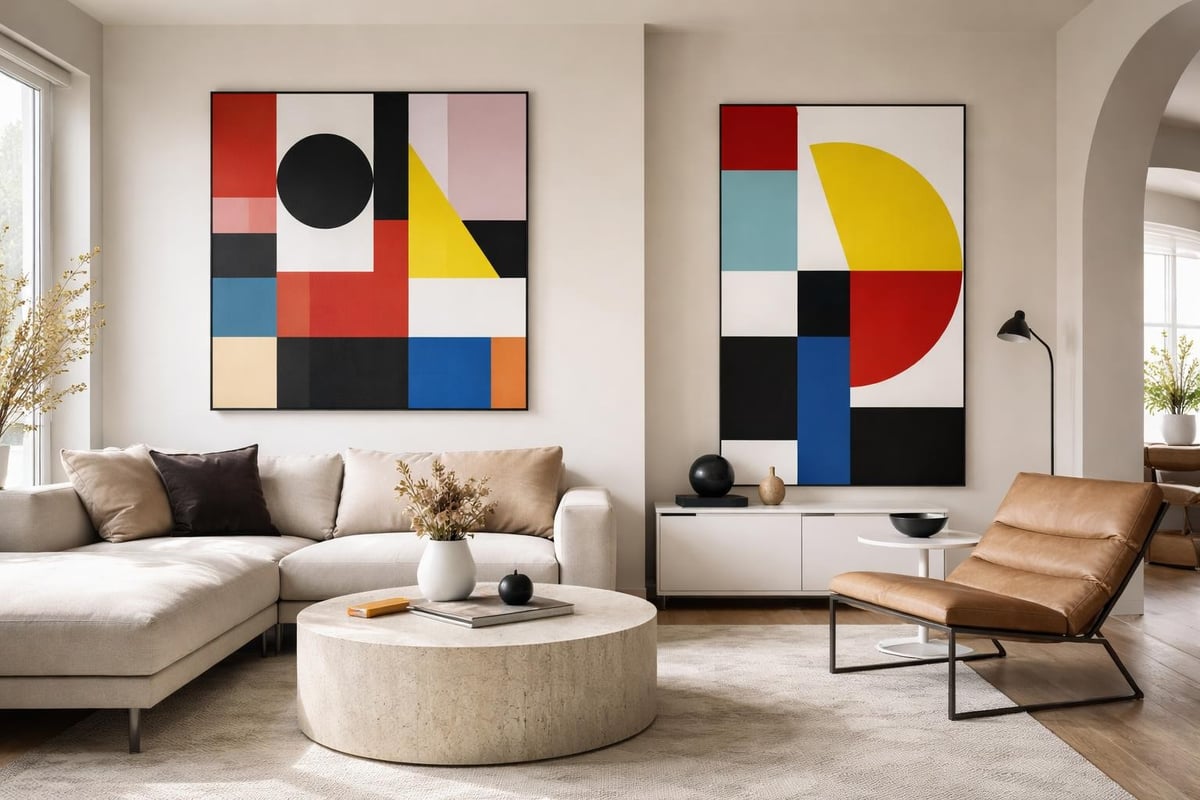
Experimental artworks can transform residential and commercial environments when thoughtfully integrated. The bold visual language of art avant creates focal points that energize spaces and stimulate conversation.
Design Principles for Displaying Avant-Garde Works
Successful integration of experimental art requires consideration of both the artwork's characteristics and the surrounding environment. These pieces often benefit from intentional placement that allows their innovative qualities to shine.
Color Relationships: Art avant frequently employs bold chromatic choices that interact dynamically with interior palettes. Consider how the artwork's colors complement or contrast with existing design elements.
Spatial Dynamics: Geometric abstraction and experimental compositions create visual movement that affects how spaces feel. Placement should account for viewing angles and sight lines that maximize impact.
Lighting Considerations: Proper illumination reveals nuances in texture, color, and composition. Natural and artificial light sources should enhance rather than diminish the work's experimental qualities.
Contemporary counterform explorations demonstrate how negative space and geometric relationships can activate entire rooms. The interplay between positive and negative forms creates visual rhythms that extend beyond the artwork's physical boundaries.
Curating Cohesive Collections
Building collections around art avant principles requires balancing diversity with visual coherence:
- Select works that share conceptual threads while offering varied aesthetic experiences
- Mix different scales to create dynamic visual hierarchies
- Consider temporal relationships between historical and contemporary pieces
- Allow room for spontaneous additions that challenge existing arrangements
The concept of art commissions offers opportunities to develop site-specific works that respond directly to architectural and design contexts, creating seamless integration between art and environment.
The Future of Art Avant
The experimental spirit that defines art avant continues evolving as artists engage with emerging technologies and shifting cultural landscapes. Understanding current trajectories helps anticipate how innovative practices will develop in coming years.
Technological Integration and New Media
Digital tools expand possibilities for artistic experimentation while raising questions about authenticity and materiality. Artists working at the intersection of traditional and digital media create hybrid forms that challenge conventional categories.
Generative algorithms enable new approaches to composition and color relationships, producing works that balance human intention with computational processes. This collaboration between artist and machine represents a contemporary evolution of avant-garde experimentation.
Virtual and augmented reality platforms offer immersive experiences that transcend physical limitations. These technologies allow artists to create environments and interactions impossible in traditional media.
Sustainability and Material Innovation
Contemporary art avant increasingly addresses environmental concerns through material choices and thematic content. Artists experiment with sustainable resources, recycled materials, and processes that minimize ecological impact.
This focus reflects broader cultural shifts while maintaining the avant-garde commitment to innovation. Understanding avant-garde principles helps contextualize how environmental consciousness influences contemporary experimental practices.
Cross-Disciplinary Collaborations
The boundaries between art, design, architecture, and technology continue dissolving as practitioners from different fields collaborate on innovative projects. These partnerships generate new possibilities that no single discipline could achieve independently.
Artists working across disciplines create experiences that engage multiple senses and integrate seamlessly with architectural and technological systems. This holistic approach extends avant-garde principles beyond isolated objects into comprehensive environments.
Developing Your Understanding of Art Avant
Deepening engagement with experimental art requires active exploration and willingness to challenge personal aesthetic assumptions. Several approaches facilitate this educational journey:
- Visit exhibitions featuring historical and contemporary avant-garde works
- Read artist statements to understand creative intentions and conceptual frameworks
- Engage with critical writing that analyzes experimental practices
- Attend artist talks and panel discussions exploring innovative approaches
- Experiment personally with creative practices to understand innovation from inside
Resources like Avant Arte's glossary provide accessible introductions to key concepts and terminology. Building fluency with the language of experimental art enhances both appreciation and critical engagement.
Supporting Emerging Avant-Garde Artists
The continuation of innovative artistic practices depends on support for emerging creators who challenge conventions. Collectors and enthusiasts play vital roles by:
- Acquiring works from artists early in their careers
- Sharing discoveries within personal and professional networks
- Attending emerging artist exhibitions and studio visits
- Providing thoughtful feedback and engagement
- Advocating for experimental work in institutional contexts
Contemporary platforms like Nathalie Chikhi make discovering and acquiring innovative works more accessible, connecting collectors directly with artists exploring geometric abstraction and experimental color relationships.
Practical Considerations for Art Avant Collectors
Successful collecting requires balancing aesthetic passion with practical considerations. Understanding care requirements, documentation practices, and market dynamics protects both artistic and financial investments.
Documentation and Authentication
Proper documentation establishes provenance and protects value:
| Document Type | Purpose | Storage |
|---|---|---|
| Certificate of Authenticity | Verifies creator and originality | Secure, climate-controlled location |
| Purchase Receipt | Proves transaction and price | Digital and physical backup |
| Condition Reports | Documents state at acquisition | Professional conservation files |
| Artist Biography | Provides context and background | Accessible reference location |
Maintaining comprehensive records becomes increasingly important as collections grow and artworks appreciate in value.
Conservation and Care
Art avant pieces often employ unconventional materials requiring specialized care. Understanding proper handling, display, and storage conditions preserves works for future generations.
Environmental factors including light exposure, temperature fluctuations, and humidity levels affect artwork longevity. Consulting conservation professionals ensures appropriate care protocols for specific materials and techniques.
The revolutionary spirit of art avant continues shaping contemporary visual culture through bold experimentation and boundary-pushing innovation. By understanding the historical foundations, current practices, and future directions of experimental art, collectors and enthusiasts can engage more deeply with works that challenge conventions and expand artistic possibilities. Nathalie Chikhi offers original artworks and prints that embody avant-garde principles through geometric abstraction, chromatic exploration, and innovative compositions, providing collectors access to contemporary works that honor this vital artistic tradition.
