

Drawings artwork represents one of the most fundamental and expressive forms of visual art, serving as both a finished product and a foundation for other creative endeavors. From quick sketches that capture fleeting moments to meticulously rendered compositions that rival paintings in complexity, drawings artwork offers artists unparalleled freedom to explore ideas, emotions, and visual narratives. In 2026, the appreciation for original drawings has surged among collectors and art enthusiasts who recognize the intimate connection between artist and medium that this form provides. Whether executed in graphite, charcoal, ink, or oil pastel, drawings artwork continues to evolve while maintaining its essential character as one of the most direct expressions of artistic vision.
Understanding the Foundations of Drawings Artwork
The creation of drawings artwork begins with fundamental mark-making, where artists translate observation and imagination onto a two-dimensional surface. This process involves understanding line quality, value, composition, and spatial relationships. Artists develop their unique visual language through years of practice, experimentation, and refinement.
Essential Drawing Techniques
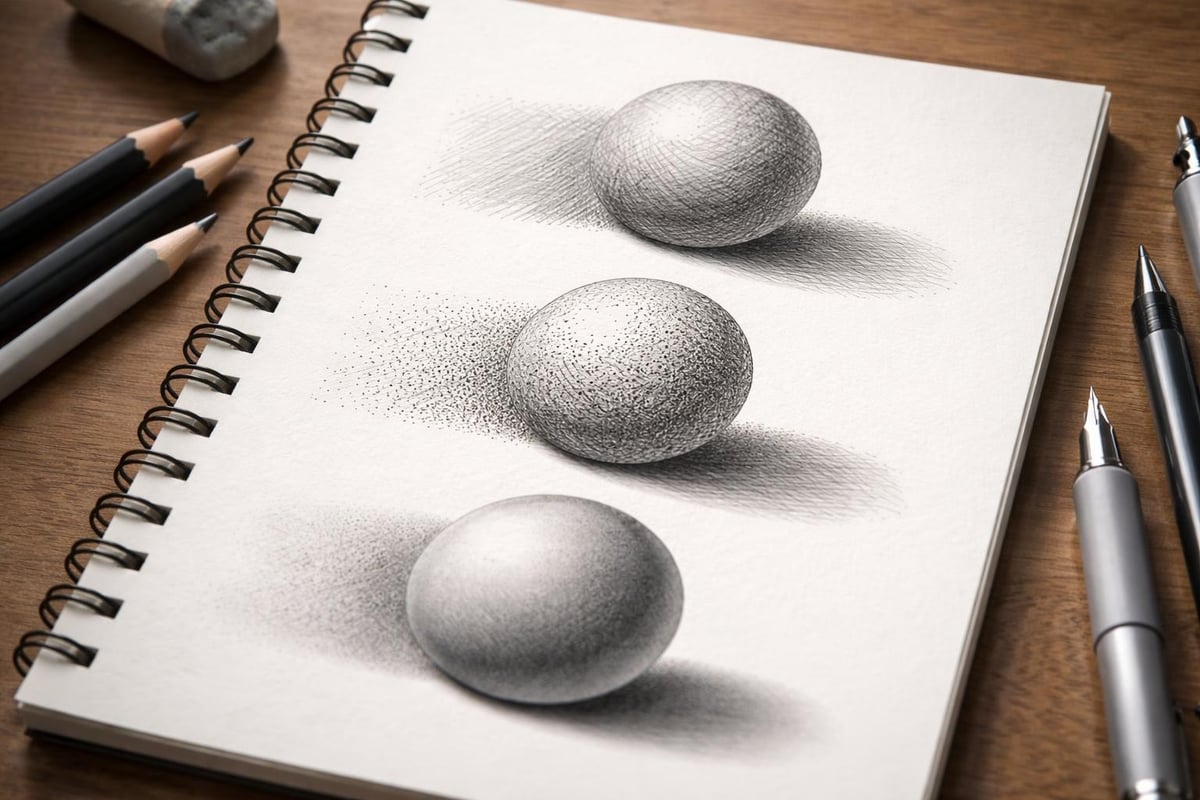
Mastering drawings artwork requires proficiency in several core techniques that form the building blocks of visual expression. These methods allow artists to create depth, texture, and movement within their compositions.
Fundamental approaches include:
- Contour drawing for capturing outlines and edges
- Hatching and cross-hatching for creating values and shadows
- Stippling for texture and gradual tonal transitions
- Blending for smooth gradations and atmospheric effects
- Gesture drawing for capturing movement and energy
Each technique serves a specific purpose within the broader context of creating compelling drawings artwork. Artists often combine multiple approaches within a single piece to achieve their desired visual impact.
Materials That Shape Artistic Expression
The choice of materials significantly influences the character and appearance of drawings artwork. Traditional mediums like graphite pencils offer precision and control, while charcoal provides bold, dramatic marks. Contemporary artists increasingly incorporate mixed media approaches that blend drawing with other techniques.
| Medium | Characteristics | Best Used For |
|---|---|---|
| Graphite | Precise, erasable, range of values | Detailed studies, portraits, technical drawings |
| Charcoal | Bold, expressive, rich blacks | Gestural work, dramatic compositions, large-scale pieces |
| Ink | Permanent, high contrast, fluid | Line work, illustration, calligraphic elements |
| Oil Pastel | Vibrant, blendable, textural | Colorful compositions, chromatic studies, layered work |
| Colored Pencil | Controlled, buildable, detailed | Realistic renderings, botanical illustrations, fine details |
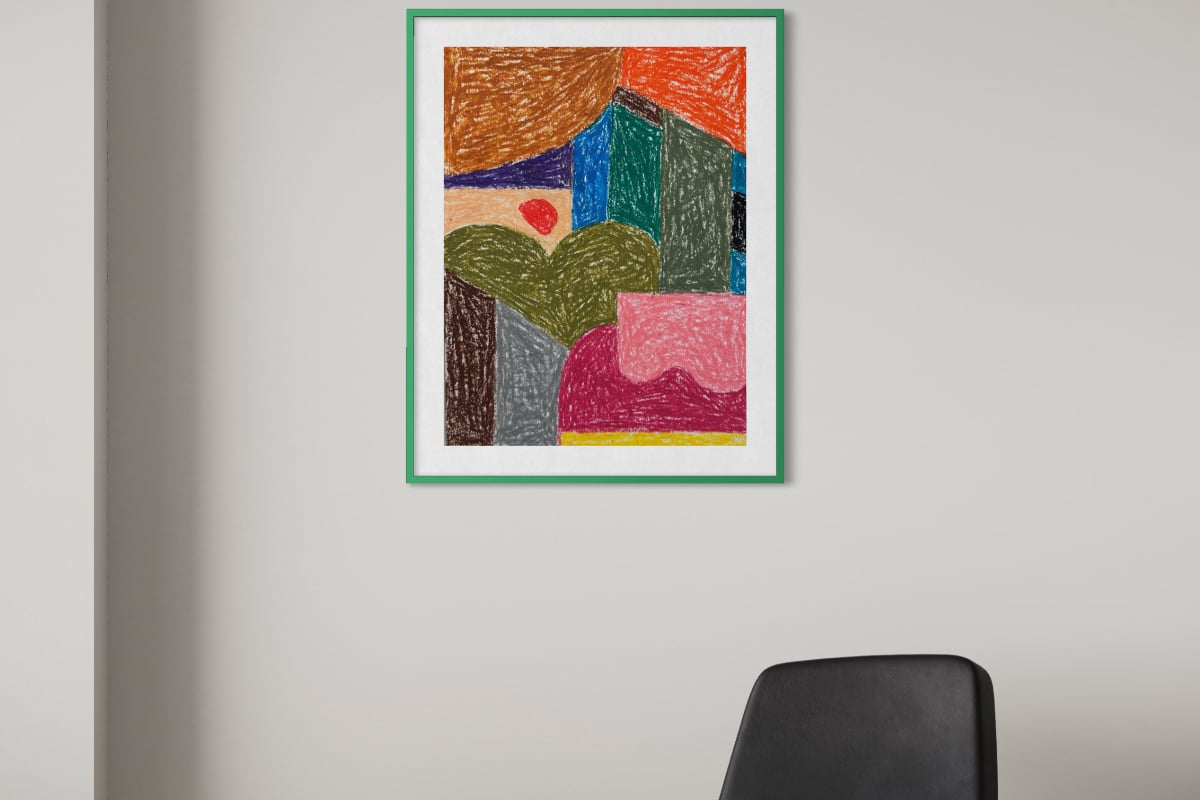
Artists working with oil pastel on archival paper, for instance, can create vibrant chromatic compositions that explore balance and tension through layered geometry. This approach demonstrates how material selection directly impacts the final aesthetic of drawings artwork.
Contemporary Approaches to Drawings Artwork
Modern artists have expanded the boundaries of what constitutes drawings artwork, incorporating abstract concepts, geometric precision, and experimental techniques. The contemporary art world values both traditional skill and innovative vision, creating space for diverse artistic voices.
Chromatic Exploration in Drawing
Color has become an increasingly important element in contemporary drawings artwork, moving beyond the monochromatic traditions that once dominated the field. Artists now use color as a primary vehicle for expression, creating pieces that rival paintings in their chromatic complexity.
Works exploring chromatic architecture demonstrate how drawings artwork can investigate color relationships, spatial dynamics, and compositional balance. These pieces often feature:
- Layered geometric forms that create visual depth
- Carefully considered color harmonies and contrasts
- Tension between positive and negative space
- Rhythmic repetition of shapes and hues
- Balance between spontaneity and deliberate planning
The integration of bold colors transforms drawings artwork from preliminary studies into finished pieces worthy of collection and display. Artists working in this mode challenge traditional hierarchies that positioned drawing as secondary to painting.
Abstract and Geometric Drawing Practices
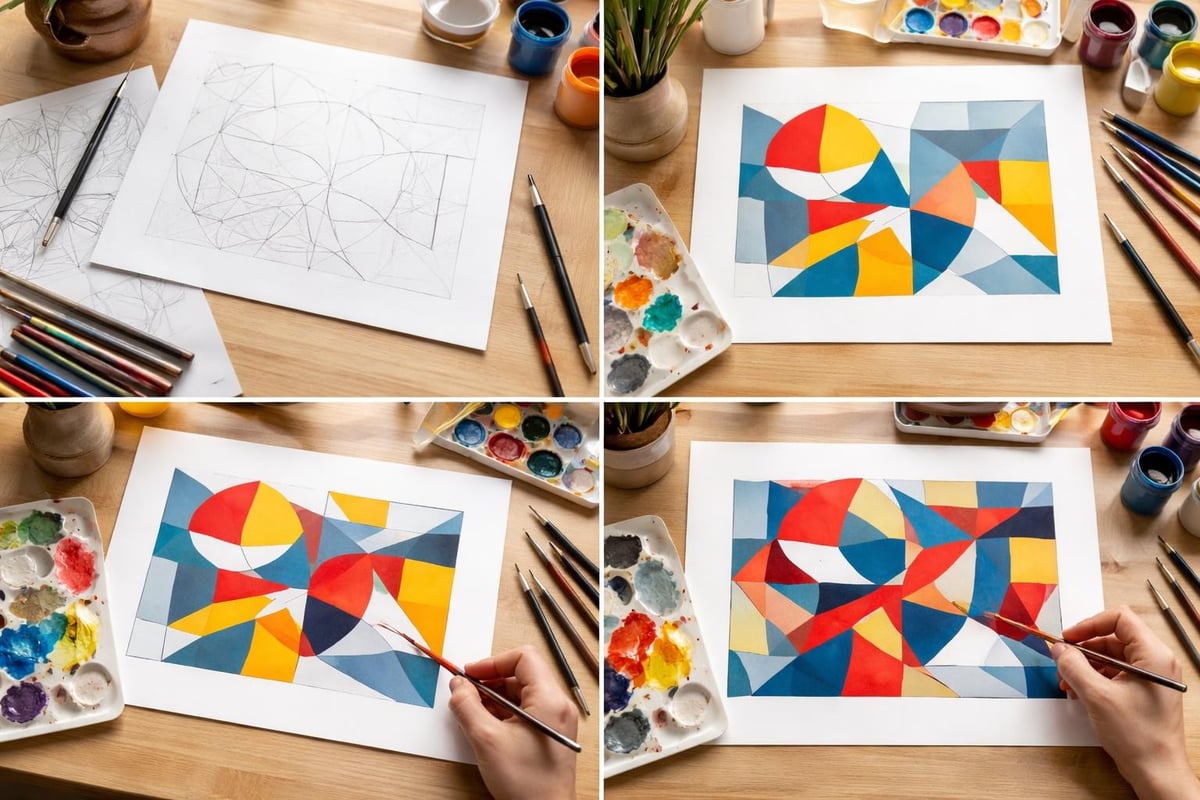
Abstract drawings artwork liberates artists from representational constraints, allowing pure exploration of form, color, and composition. Geometric abstraction, in particular, has experienced renewed interest among both creators and collectors in recent years.
This approach emphasizes:
- Structural clarity through defined shapes and lines
- Spatial ambiguity that invites multiple interpretations
- Color relationships that create visual harmony or tension
- Compositional balance achieved through mathematical or intuitive placement
Artists developing series of related works can investigate variations on themes, with each piece offering a unique perspective on common conceptual threads. This serial approach allows for deep exploration of specific ideas while maintaining cohesion across multiple drawings artwork pieces.
Building a Drawing Practice
Developing proficiency in creating drawings artwork requires consistent practice, thoughtful reflection, and willingness to experiment. Professional artists maintain rigorous studio practices that balance technical refinement with creative exploration.
Establishing Creative Routines
Successful artists structure their time to maximize productivity while preserving space for spontaneous discovery. A well-designed practice includes both disciplined skill-building and open-ended experimentation.
Daily practice components:
- Warm-up exercises to loosen the hand and mind
- Focused study of specific techniques or subjects
- Experimental work exploring new materials or concepts
- Documentation and reflection on completed pieces
- Research into historical and contemporary drawings artwork
Regular engagement with the medium builds muscle memory, sharpens observational skills, and deepens understanding of materials. Even brief daily sessions contribute to long-term artistic growth.
Developing a Signature Style
While technical proficiency forms the foundation, distinctive drawings artwork emerges when artists develop recognizable visual signatures. This process unfolds gradually through sustained exploration of personal interests and aesthetic preferences.
Artists discover their unique voice by:
- Identifying recurring themes in their work
- Experimenting with various techniques and materials
- Studying artists whose work resonates personally
- Accepting and refining natural tendencies
- Pushing beyond comfortable territory periodically
The journey toward artistic maturity involves balancing influence from other artists with authentic self-expression. Original drawings artwork reflects both technical mastery and individual perspective, creating pieces that communicate the artist's unique vision to viewers.
The Collector's Perspective on Drawings Artwork
Collecting drawings artwork offers unique rewards compared to other art forms. The intimacy of the medium creates special connections between collectors and pieces, while the relative accessibility makes building meaningful collections possible for diverse budgets.
Why Collectors Value Original Drawings
Original drawings artwork provides collectors with direct access to an artist's creative process. Unlike prints or reproductions, these pieces bear the physical marks of the artist's hand, preserving evidence of decision-making, corrections, and spontaneous gestures.
Collectors appreciate drawings for several compelling reasons. The directness of the medium creates an unmediated connection between artist and viewer. Each mark reveals something about the creator's thought process, skill level, and emotional state during creation. The pieces exploring counterform and geometric balance exemplify how drawings artwork can achieve sophisticated visual impact through seemingly simple means.
Building a Cohesive Collection
Thoughtful collectors approach drawings artwork acquisition with both passion and strategy. Building a meaningful collection requires consideration of aesthetic preferences, thematic coherence, and long-term vision.
| Collection Approach | Focus | Benefits |
|---|---|---|
| Single Artist | Depth over breadth | Comprehensive understanding, potential value appreciation |
| Thematic | Common subject or concept | Cohesive narrative, curatorial vision |
| Medium-Specific | Particular materials | Technical appreciation, comparative study |
| Period-Based | Specific era or movement | Historical context, educational value |
| Eclectic | Personal preference | Diverse perspectives, broad exploration |
Many collectors begin with pieces that speak to them emotionally, gradually refining their focus as they develop deeper knowledge. Starting with more accessible works, such as studies on archival paper, allows new collectors to engage meaningfully with drawings artwork while building confidence and expertise.
Displaying and Preserving Drawings Artwork
Proper presentation and care ensure that drawings artwork maintains its beauty and value over time. These pieces require specific handling and environmental considerations to prevent deterioration.
Framing and Presentation Strategies
Professional framing protects drawings artwork while enhancing visual impact. The framing choices should complement the piece without overwhelming it, creating a harmonious relationship between artwork and presentation.
Key framing considerations:
- Acid-free matting to prevent chemical damage
- UV-protective glazing to minimize light exposure
- Appropriate spacing between artwork and glass
- Frame style that complements the piece's aesthetic
- Professional mounting techniques that allow for future removal
Proper framing transforms individual drawings artwork into polished presentations suitable for residential or commercial spaces. The investment in quality framing protects both the physical integrity and perceived value of collected pieces.
Conservation and Long-Term Care
Drawings artwork on paper requires vigilant care to maintain condition. Unlike paintings on canvas, works on paper are particularly vulnerable to environmental factors including light, humidity, and handling.
Preservation best practices include:
- Controlling exposure to direct sunlight and artificial light
- Maintaining stable humidity levels between 40-50%
- Avoiding extreme temperature fluctuations
- Handling with clean, dry hands or cotton gloves
- Storing unframed pieces in acid-free folders or boxes
Collections of contemporary geometric works benefit from consistent environmental conditions and thoughtful display rotation. Regular assessment by conservation professionals helps identify potential issues before they compromise the artwork's integrity.
The Market for Contemporary Drawings Artwork
The contemporary art market has witnessed growing appreciation for drawings artwork as collectors recognize both aesthetic and investment value. This shift reflects broader changes in how the art world values different mediums and approaches.
Pricing Dynamics and Value Considerations
Several factors influence the pricing of drawings artwork in today's market. Understanding these variables helps both artists and collectors navigate transactions with realistic expectations and informed decisions.
Price determinants include:
- Artist reputation and exhibition history
- Size and complexity of the work
- Materials and archival quality
- Edition status (unique versus limited)
- Provenance and documentation
- Current market trends and demand
Original, one-of-a-kind pieces typically command higher prices than works from editions. The inclusion of certificates of authenticity and professional documentation adds credibility and can positively impact value over time.
Purchasing Considerations for New Collectors
Entering the market for drawings artwork requires research, patience, and willingness to develop knowledge over time. New collectors benefit from approaching purchases thoughtfully rather than impulsively.
Smart acquisition strategies involve visiting galleries and artist studios, attending exhibitions, reading about contemporary practices, and gradually developing personal taste. Starting with emerging artists whose work resonates personally often provides more satisfaction than chasing established names. The opportunity to acquire pieces that speak directly to individual aesthetic preferences creates collections with genuine personal meaning beyond market considerations.
Creating Drawings Artwork for Commission
Commissioned drawings artwork allows artists to collaborate with clients while maintaining creative integrity. This practice requires clear communication, professional processes, and flexibility balanced with artistic vision.
The Commission Process
Successfully executing commissioned drawings artwork involves structured phases from initial consultation through final delivery. Establishing clear expectations at each stage prevents misunderstandings and ensures client satisfaction.
Typical commission workflow:
- Initial consultation to discuss vision and requirements
- Proposal outlining scope, timeline, and investment
- Preliminary sketches or concepts for approval
- Creation of the final piece with progress updates
- Delivery with documentation and care instructions
Throughout this process, artists maintain communication while preserving the creative autonomy necessary for producing authentic work. The most successful commissions balance client input with artistic expertise, resulting in drawings artwork that satisfies both parties.
Balancing Vision and Collaboration
Commissioned work presents unique challenges as artists navigate between personal style and client expectations. The goal is creating drawings artwork that reflects the artist's signature approach while addressing the commissioner's needs.
Effective collaboration requires artists to listen carefully, ask clarifying questions, and set boundaries around non-negotiable aspects of their practice. Clients who appreciate an artist's existing body of work typically trust the creative process, understanding that excessive direction can compromise the qualities that attracted them initially. This mutual respect produces the strongest commissioned drawings artwork, pieces that feel authentic rather than merely decorative.
Educational Pathways in Drawings Artwork
Formal and informal education both contribute to developing skills in creating drawings artwork. Artists pursue various learning paths depending on goals, resources, and learning preferences.
Academic Training Options
Traditional art education provides structured skill development, theoretical knowledge, and peer community. Programs range from undergraduate degrees to specialized workshops focusing on specific aspects of drawings artwork.
| Program Type | Duration | Focus Areas |
|---|---|---|
| BFA in Drawing | 4 years | Comprehensive technique, theory, critique |
| MFA in Studio Art | 2-3 years | Advanced practice, conceptual development, teaching preparation |
| Certificate Programs | 6-12 months | Intensive skill building, portfolio development |
| Workshops | Days to weeks | Specific techniques, materials, or approaches |
| Online Courses | Self-paced | Flexible learning, diverse topics, accessibility |
Academic environments offer access to equipment, instruction, critique, and exhibition opportunities that accelerate artistic development. However, many successful artists create compelling drawings artwork through self-directed learning combined with selective workshops and mentorship.
Self-Directed Learning Resources
The wealth of available resources makes self-education in drawings artwork more viable than ever. Motivated artists can develop significant skills through disciplined independent study combined with strategic use of educational materials.
Effective self-teaching strategies include studying master drawings, experimenting systematically with materials, maintaining regular practice schedules, seeking critique from peers or mentors, and documenting progress through portfolios. The key is balancing technical study with creative experimentation, ensuring that skill development serves artistic vision rather than becoming an end itself.
Digital Integration in Traditional Drawings Artwork
While maintaining focus on traditional media, many contemporary artists incorporate digital tools into their drawings artwork practice. This integration expands possibilities without abandoning the physical intimacy that defines drawing.
Documentation and Reproduction
High-quality digital photography allows artists to document drawings artwork for portfolios, archives, and potential reproduction. Professional documentation preserves visual information even if original pieces are sold or damaged.
Documentation best practices:
- Shooting in natural, indirect light when possible
- Using tripods for stability and consistency
- Capturing details and overall composition
- Color-correcting files for accurate representation
- Maintaining organized digital archives
These digital records serve multiple purposes from creating limited edition prints to sharing work on online platforms. Artists can reach broader audiences while preserving the unique character of original drawings artwork.
Hybrid Approaches and Experimentation
Some artists begin with traditional drawings artwork, then manipulate digital versions to explore variations or prepare designs for other applications. Others use digital sketching to develop concepts before creating final pieces in physical media.
This flexible approach leverages strengths of both traditional and digital methods. The tactile experience and unique qualities of physical media combine with the editing capabilities and distribution ease of digital tools, creating expanded possibilities for contemporary drawings artwork practice.
The enduring appeal of drawings artwork lies in its directness, intimacy, and expressive potential that continues resonating with artists and collectors alike. Whether you're drawn to geometric abstraction, chromatic exploration, or other contemporary approaches, engaging with original artwork offers profound rewards. Nathalie Chikhi creates distinctive drawings artwork exploring themes of chromatic architecture and counterform through oil pastel compositions on archival paper, offering collectors access to original pieces that balance vibrant color with geometric precision.
