

Framed contemporary art prints have become essential elements in modern interior design, offering accessible ways to bring sophisticated artwork into homes and offices. Unlike original paintings that command premium prices, these reproductions provide museum-quality aesthetics at practical price points. The contemporary art market has evolved significantly, with advancements in printing technology delivering unprecedented color accuracy and detail. Today's collectors understand that proper framing transforms a simple print into a statement piece that reflects personal taste while protecting the artwork for years to come.
Understanding Contemporary Art Print Formats
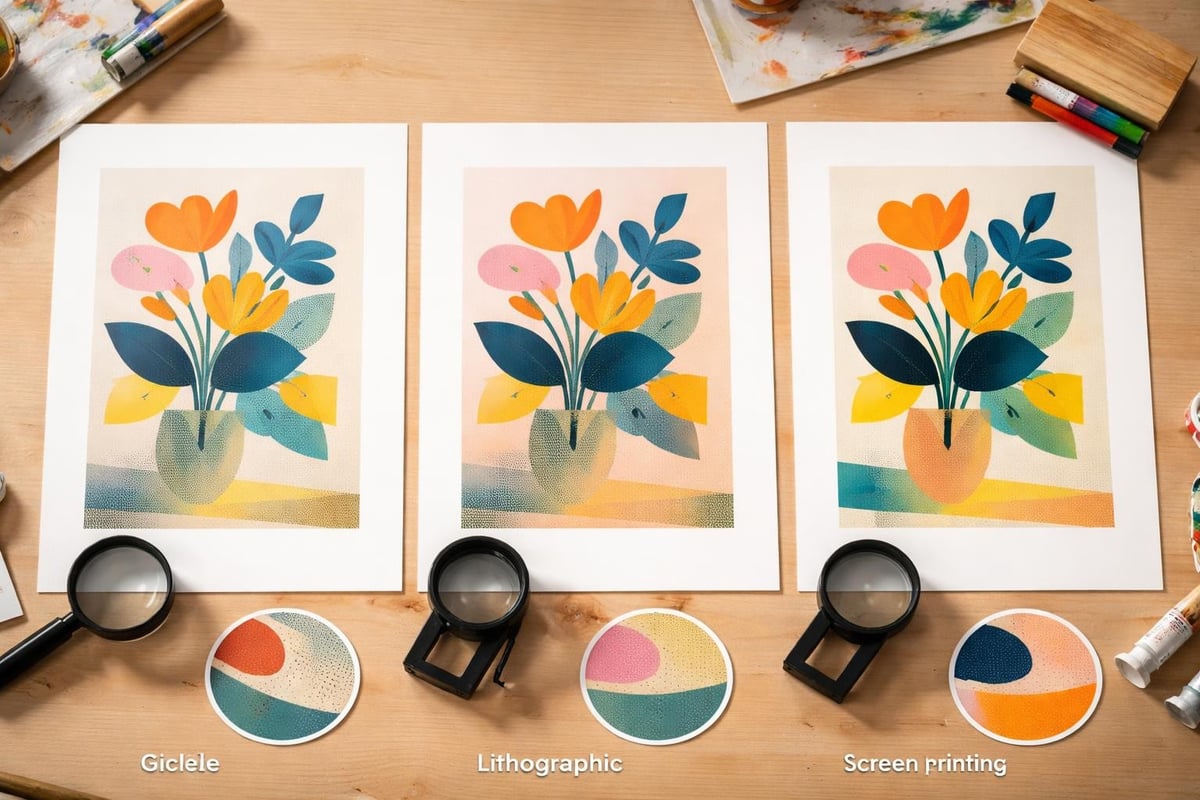
The world of art prints encompasses several production methods, each offering distinct characteristics and visual qualities. Giclée prints represent the gold standard for contemporary reproductions, utilizing archival pigment inks sprayed through microscopic nozzles onto high-quality paper or canvas. This process captures subtle color gradations and fine details that earlier reproduction methods could not achieve.
Digital Printing Technologies
Modern digital printing has revolutionized how artists share their work with broader audiences. Fine art prints now rival original works in visual impact, thanks to twelve-color printing systems that expand the color gamut beyond traditional four-color processes.
- Pigment-based inks: Resist fading for 100+ years under proper conditions
- Archival papers: Cotton rag and alpha-cellulose substrates prevent yellowing
- Color management: ICC profiles ensure accurate color reproduction
- Resolution capabilities: 2400 DPI or higher for exceptional detail
Lithographic and screen printing techniques still hold relevance in contemporary art, particularly for limited editions. These traditional methods create unique textures and color applications that digital processes cannot replicate. Understanding different print types helps collectors make informed decisions about which format best suits their aesthetic preferences and budget considerations.
Frame Selection for Contemporary Aesthetics
Choosing the right frame for contemporary art prints requires balancing protection, presentation, and style cohesion. The frame should enhance rather than overpower the artwork while providing necessary protection from environmental factors.
Material Considerations
Frame materials significantly impact both appearance and longevity. Wood frames offer warmth and traditional appeal, available in finishes from natural oak to ebonized black. Metal frames deliver sleek, minimalist profiles that complement modern interiors. Acrylic frames provide transparency that creates floating visual effects.
| Frame Type | Best For | Price Range | Durability |
|---|---|---|---|
| Solid Wood | Traditional and transitional spaces | $$$ | Excellent |
| Metal | Minimalist and industrial aesthetics | $$ | Very Good |
| Acrylic | Modern galleries and contemporary settings | $$ | Good |
| Composite | Budget-conscious buyers | $ | Fair |
The profile width matters tremendously in contemporary framing. Thin profiles (0.5-1 inch) create clean, modern looks suitable for graphic prints and photography. Wider profiles (2-4 inches) make bold statements and work well with larger prints or pieces requiring visual weight.
Matting and Glazing Options
Museum-quality matting creates breathing room between artwork and glazing while adding visual sophistication. Acid-free, lignin-free mat boards prevent chemical degradation that damages prints over time. Contemporary preferences lean toward minimalist matting or frameless presentations that maximize visible artwork.
Glazing selection impacts both appearance and preservation. Standard glass provides basic protection but adds weight and glare. Museum glass incorporates anti-reflective coatings that virtually disappear, allowing unobstructed viewing from any angle. Acrylic glazing weighs significantly less than glass and resists shattering, making it ideal for large framed contemporary art prints or high-traffic areas.
When selecting frames, proper framing techniques preserve print value and prevent common deterioration issues like acid burn, UV fading, and moisture damage.
Selecting Prints for Your Space
Choosing framed contemporary art prints involves more than aesthetic preference. Scale, color relationships, and thematic coherence determine whether artwork enhances or disrupts a room's visual flow.
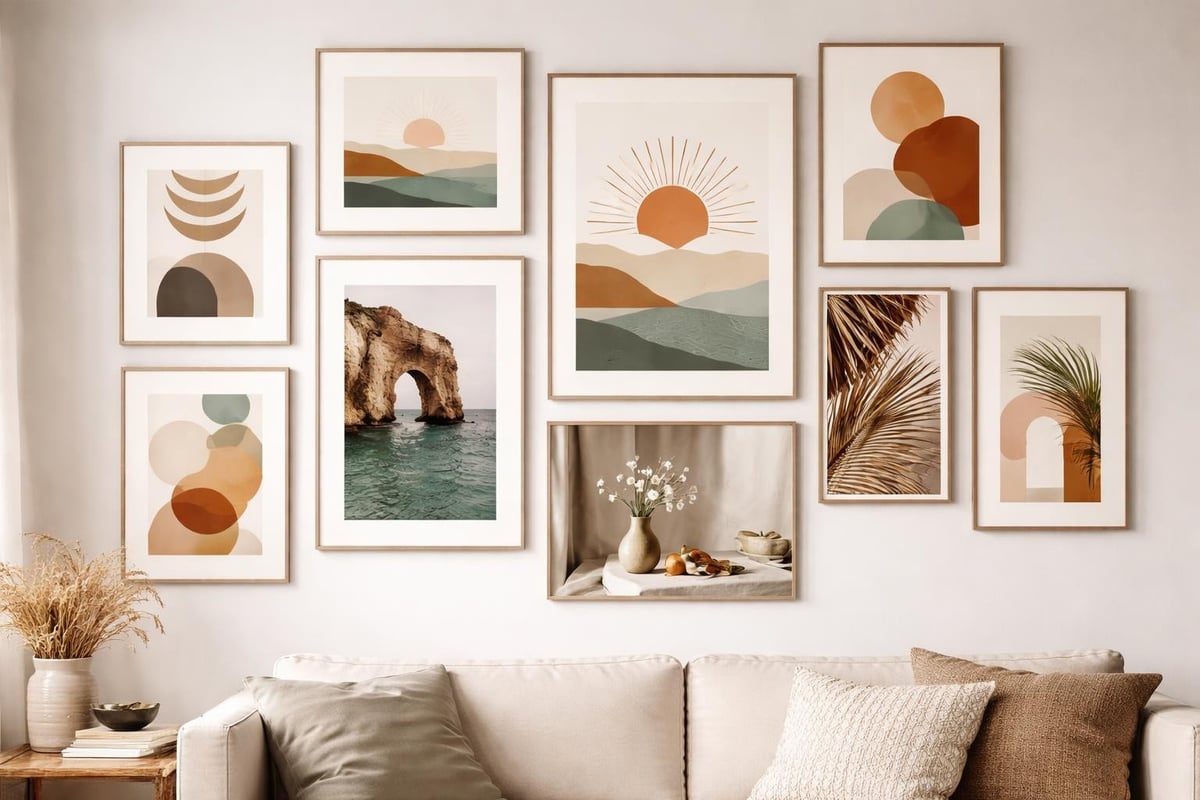
Scale proportions follow the guideline that artwork should occupy two-thirds to three-quarters of available wall space. A 60-inch sofa pairs well with a 40-48 inch wide print or gallery arrangement. Undersized prints disappear on large walls, while oversized pieces overwhelm intimate spaces.
Color Coordination Strategies
Contemporary color theory offers flexible approaches to integrating artwork. Complementary schemes create dynamic tension by pairing opposite color wheel positions. Analogous palettes use adjacent hues for harmonious, sophisticated effects. Monochromatic approaches vary value and saturation within single color families.
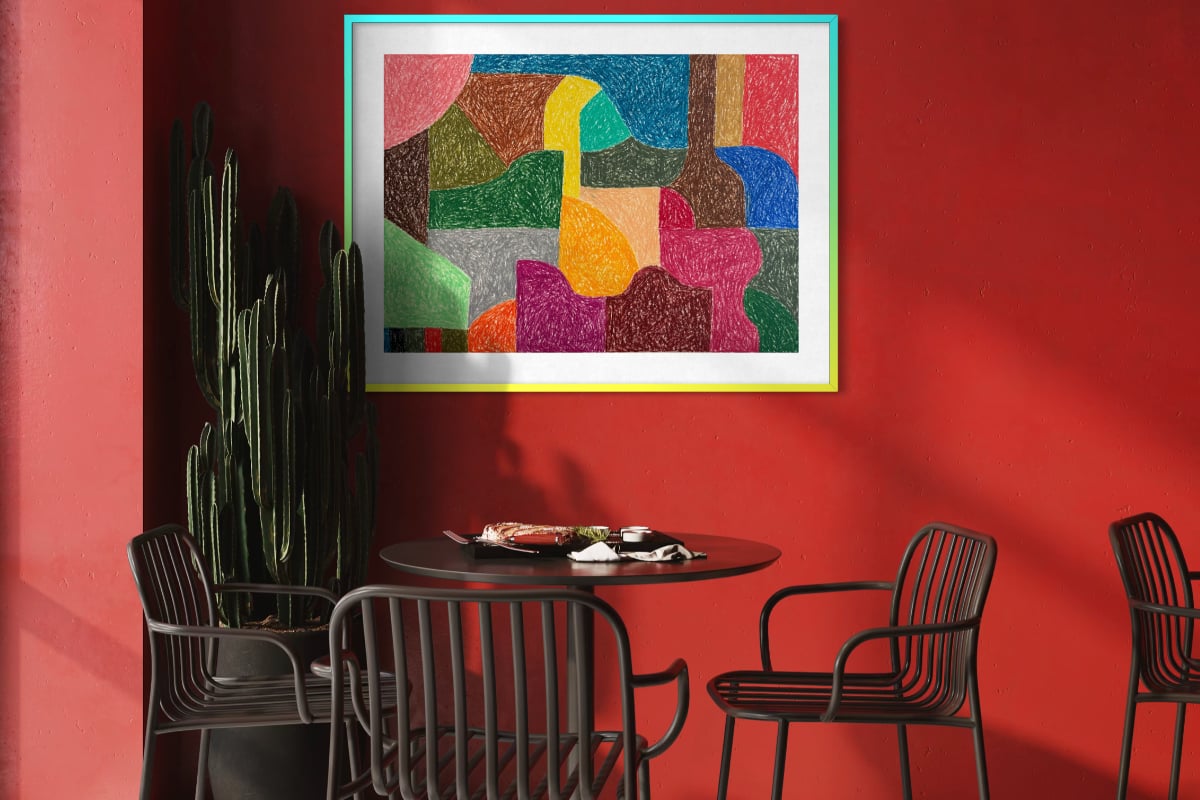
Bold chromatic compositions energize neutral spaces, injecting personality without permanent commitment. Artworks featuring layered geometry and vibrant palettes transform minimalist rooms into expressive environments. Works exploring balance through color relationships, such as The Monumental Poster Edition (30x22), demonstrate how chromatic architecture principles create visual interest while maintaining compositional discipline.
Thematic Collections
Building thematic collections creates narrative depth that single pieces cannot achieve. Series exploring related concepts through varied executions offer flexibility for rotation and rearrangement. Contemporary themes include:
- Geometric abstractions: Clean lines and mathematical precision
- Chromatic studies: Color relationship explorations
- Architectural interpretations: Built environment abstractions
- Organic forms: Nature-inspired contemporary expressions
- Mixed media compositions: Layered technique combinations
Collections from chromatic architecture or counterform series demonstrate cohesive artistic vision while offering individual piece appeal. This collecting approach provides investment diversification and decorative flexibility as spaces evolve.
Installation and Display Techniques
Proper installation ensures framed contemporary art prints remain secure while allowing easy rotation or repositioning. Professional-grade hardware prevents damage to walls and artwork while supporting substantial weight.
Hardware Selection
Picture hanging systems have evolved beyond simple nails and wire. D-rings attached to frame backs distribute weight evenly across two wall anchors. French cleats provide exceptional security for heavy or valuable pieces, using interlocking wood or metal strips. Gallery rails allow infinite adjustment without additional wall penetrations.
- Wire hanging: Traditional but allows tilting and uneven positioning
- D-rings with anchors: Stable, level hanging for most applications
- French cleats: Maximum security for heavy pieces over 30 pounds
- Gallery systems: Professional flexibility for rotating collections
Wall anchors must match wall construction. Drywall requires hollow wall anchors or studs for secure mounting. Plaster walls need specialized fasteners that prevent crumbling. Concrete or brick demands masonry anchors and appropriate drilling tools.
Lighting Considerations
Illumination dramatically affects how viewers experience framed contemporary art prints. Natural light provides ideal color rendering but requires UV filtration to prevent fading. Artificial lighting offers control but must balance color temperature, intensity, and beam angle.
Picture lights mounted directly to frames create intimate gallery effects. Track lighting provides adjustable spotlighting for multiple pieces. Recessed fixtures deliver ambient illumination without visible hardware. LED technology has revolutionized art lighting through precise color rendering (CRI 90+), minimal heat output, and extended lifespans.
Avoid placing framed contemporary art prints in direct sunlight or opposite bright windows. Even UV-filtered glazing cannot completely eliminate cumulative exposure damage. Maintain consistent temperature (65-75°F) and humidity (40-50%) to prevent paper expansion, contraction, and subsequent buckling.
Care and Preservation Best Practices
Maintaining framed contemporary art prints requires minimal effort but consistent attention. Regular dusting prevents accumulation that attracts moisture and contaminants. Annual inspections identify developing issues before they cause permanent damage.
Cleaning Protocols
Frame cleaning depends on material composition. Wood frames accept soft, dry cloths or feather dusters. Metal frames tolerate slightly damp microfiber cloths. Acrylic glazing requires anti-static cleaners to prevent dust attraction. Glass responds well to standard glass cleaners applied to cloths rather than directly on glazing.
Never spray cleaning products directly onto frames or glazing. Liquid can seep between glazing and artwork, causing irreversible staining or foxing. Remove frames from walls before cleaning to prevent drips and ensure thorough coverage.
| Maintenance Task | Frequency | Method |
|---|---|---|
| Dusting | Monthly | Soft cloth or feather duster |
| Deep cleaning | Quarterly | Appropriate cleaner on cloth |
| Inspection | Annually | Check for insects, moisture, fading |
| Professional conservation | As needed | Conservator assessment |
Environmental Monitoring
Climate control protects prints from the most common deterioration causes. High humidity encourages mold growth and paper degradation. Low humidity causes brittleness and cracking. Temperature fluctuations accelerate chemical reactions that yellow paper and fade inks.
Digital hygrometers monitor ambient conditions, alerting collectors to problematic ranges. Dehumidifiers and humidifiers maintain optimal ranges in challenging climates. Air purifiers remove particulates that deposit on frames and glazing over time.
Store framed contemporary art prints in climate-controlled environments when not displayed. Wrap in acid-free tissue and place in protective boxes. Never store in attics, basements, or garages where temperature and humidity swing wildly.
Investment and Value Considerations
Contemporary art prints occupy a unique market position between original works and mass-produced posters. Limited editions from established artists appreciate over time, particularly when properly documented and preserved. Open edition prints provide decorative value without investment potential.
Edition Types and Documentation
Print editions follow established hierarchies that affect value and collectibility. Artist's proofs (AP) comprise 10-15% of edition size, reserved for the artist's use. Standard numbered editions (1/50, 2/50, etc.) represent the primary release. Printer's proofs (PP) compensate the master printer.
Authentication elements separate legitimate art prints from commercial reproductions:
- Artist signature (pencil preferred over printed)
- Edition numbering in artist's hand
- Copyright symbols and dates
- Publisher or gallery information
- Certificates of authenticity with matching numbers
Unsigned or unnumbered prints may still hold value based on artist reputation, print quality, and provenance documentation. Emerging artists often release unsigned work that appreciates as their careers develop.
Market Trends for 2026
The contemporary print market shows robust growth as collectors seek affordable entry points into established artists' portfolios. Digital platforms have democratized access while raising authenticity concerns. Blockchain verification and NFT certificates are emerging as authentication solutions, though adoption remains limited.
Collectors increasingly value contemporary artistic expressions that reflect current cultural moments. Abstract geometric works maintain steady demand across demographic groups. Chromatic explorations appeal to design-conscious buyers seeking statement pieces.
Sustainability considerations influence purchasing decisions. Prints on recycled papers or produced using carbon-neutral processes command premium prices from environmentally conscious collectors. Artists disclosing material sourcing and production methods build trust and loyalty.
Sourcing and Purchasing Strategies
Acquiring framed contemporary art prints requires navigating diverse channels with varying quality standards, pricing structures, and authenticity guarantees. Direct artist purchases, gallery relationships, and online marketplaces each offer distinct advantages.
Direct Artist Relationships
Purchasing directly from artists ensures authenticity while supporting creative practices. Artists often offer customization options unavailable through secondary channels. Direct relationships provide insight into creative processes, thematic developments, and upcoming releases.
Artist websites like Nathalie Chikhi showcase complete portfolios with detailed provenance information. Collections exploring themes from paintings to drawings demonstrate artistic range while maintaining cohesive vision. Direct purchases often include personalization options and flexible framing arrangements.
Gallery and Dealer Networks
Established galleries curate selections aligned with specific aesthetic movements or collector demographics. Expert guidance helps navigate style variations, edition types, and investment potential. Gallery relationships provide access to exclusive releases, artist events, and collection-building consultations.
Dealer markups reflect expertise, overhead, and curation value. Expect 30-100% premiums over direct artist prices. Premium galleries offer installation services, conservation referrals, and buyback programs that enhance ownership experience.
Online Marketplace Navigation
Digital marketplaces democratize access to global contemporary art but require careful vetting. Reputable platforms verify seller credentials and artwork authenticity. Contemporary print collections from established platforms showcase diverse styles while maintaining quality standards.
Research seller ratings, return policies, and authentication processes before purchasing. Request detailed condition reports and additional images showing signatures, edition marks, and overall print quality. Understand shipping insurance and damage claim procedures for high-value acquisitions.
Framed contemporary art prints offer accessible pathways to sophisticated aesthetics while supporting artistic creation and cultural expression. Understanding production methods, framing techniques, and preservation strategies ensures your collection maintains beauty and value throughout decades of enjoyment. Whether building thematic collections or selecting individual statement pieces, informed decisions create environments reflecting personal vision and contemporary sensibilities. Explore Nathalie Chikhi's original artworks and prints to discover chromatic compositions and geometric explorations that transform spaces with layered color relationships and balanced tension.
