

Abstract artwork framed properly transforms a piece from a simple canvas or paper into a museum-quality display that commands attention and preserves artistic integrity for decades. The framing process involves careful consideration of materials, proportions, color relationships, and preservation techniques that protect the investment while enhancing visual impact. Whether you're a seasoned collector or acquiring your first piece, understanding the nuances of framing abstract art ensures your acquisition maintains its value and aesthetic power throughout its lifetime.
Understanding the Role of Framing in Abstract Art
Framing serves multiple critical functions beyond simple aesthetic enhancement. Protection ranks as the primary technical consideration, shielding artwork from environmental damage including UV radiation, humidity fluctuations, and physical contact. A well-executed frame creates a microenvironment that stabilizes conditions around the artwork, preventing degradation that can occur from exposure to pollutants, dust, and atmospheric changes.
The visual relationship between frame and artwork determines how viewers perceive the piece. Abstract compositions often rely on color relationships, geometric tension, and compositional balance that extends to the artwork's edges. The frame either reinforces these relationships or disrupts them, making frame selection a continuation of the artistic decision-making process rather than an afterthought.
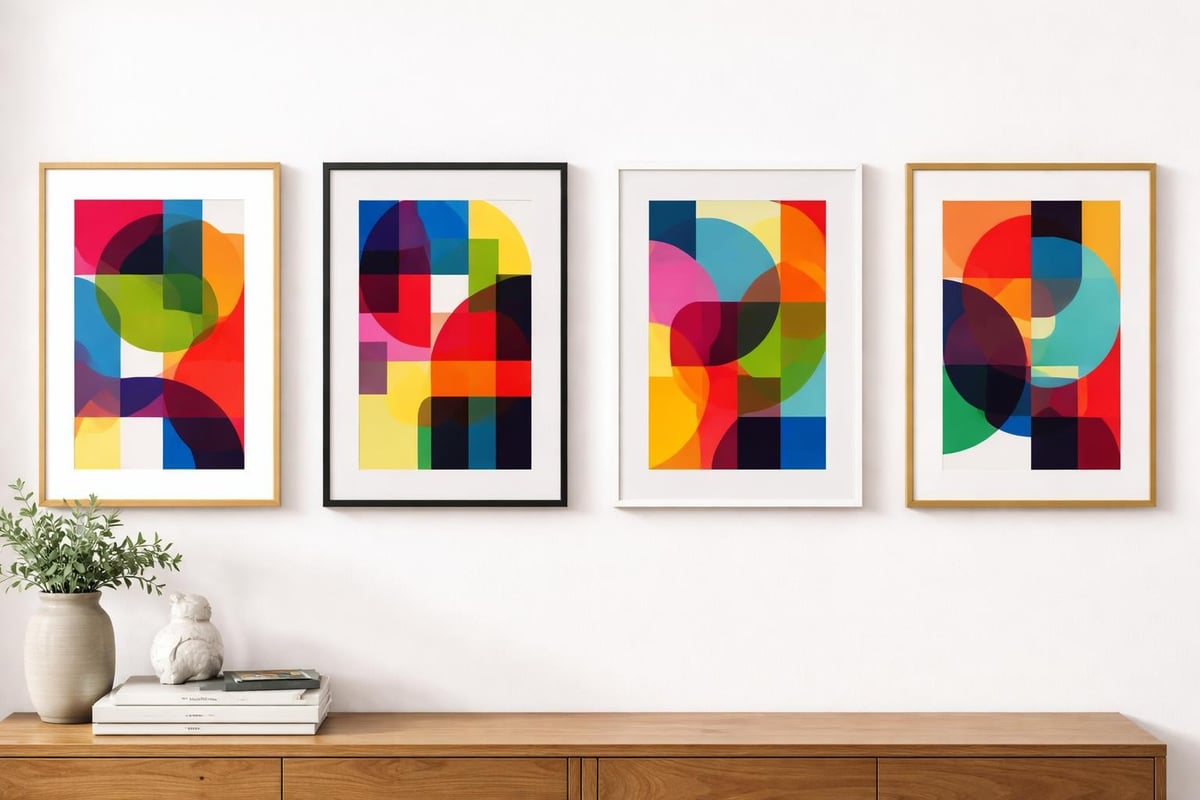
Material Considerations for Abstract Artwork Framed Pieces
Different framing materials offer distinct advantages for abstract works. Wood frames provide warmth and traditional elegance, available in countless finishes from natural maple to ebonized walnut. Contemporary abstract pieces often pair well with lighter woods or painted finishes that don't compete with the artwork's palette.
Metal frames deliver clean, modern lines particularly suited to geometric abstractions and minimalist compositions. Aluminum and steel options range from brushed finishes to powder-coated colors, offering durability and a contemporary aesthetic. Metal frames typically cost less than premium wood options while providing excellent structural support for larger pieces.
Acrylic frames represent the newest evolution in presentation, offering frameless appearance through clear edges or bold colored acrylic that becomes part of the visual statement. These work exceptionally well with works on paper and smaller canvas pieces, creating a floating effect that emphasizes the artwork's independence from traditional presentation methods.
| Frame Material | Best For | Durability | Price Range | Aesthetic |
|---|---|---|---|---|
| Hardwood | Traditional to contemporary abstracts | Excellent | $$$ - $$$$ | Warm, substantial |
| Metal | Geometric and minimal works | Excellent | $$ - $$$ | Clean, industrial |
| Acrylic | Works on paper, modern pieces | Good | $$ - $$$ | Floating, contemporary |
| Composite | Budget-conscious collectors | Fair to Good | $ - $$ | Versatile |
Matting Strategies for Enhanced Visual Impact
Matting creates breathing room between the artwork and frame, preventing visual crowding while adding dimensional depth. For abstract artwork framed with matting, the relationship between mat width and artwork size follows specific proportional guidelines that ensure balance.
Standard mat widths range from 2 to 4 inches, with larger pieces typically requiring wider mats to maintain appropriate visual weight. A common mistake involves using identical mat widths across different artwork sizes, resulting in cramped presentation for smaller pieces or inadequate presence for larger works.
Color selection in matting significantly impacts how viewers perceive the artwork's palette. White and off-white mats offer neutrality that allows the artwork to dominate, while colored mats can either complement or intentionally contrast with the piece's dominant hues. Conservation-grade mats prevent acid migration that yellows paper and damages artwork over time.
- Museum board or rag mats ensure archival quality
- Double matting adds sophisticated depth and visual interest
- Colored underlays create subtle reveals that enhance composition
- Textured mats introduce tactile variety for contemporary presentations
For pieces with vibrant, layered color work, matting choices become even more critical. The relationship between chromatic architecture in abstract compositions and the surrounding presentation elements requires careful consideration to maintain the artist's intended impact.
Glazing Options: Glass Versus Acrylic
The protective barrier between viewer and artwork presents important choices in clarity, protection, and longevity. Museum glass represents the premium option, offering 99% UV protection with virtually invisible clarity and anti-reflective coatings that eliminate glare. This option carries significant cost but provides unmatched protection for valuable pieces.
Standard glass provides adequate protection at lower cost but includes visible reflections and minimal UV filtering. For abstract artwork framed and displayed away from direct sunlight, standard glass often suffices for budget-conscious collectors while still offering physical protection and dust barriers.
Acrylic glazing weighs significantly less than glass, making it ideal for large-format pieces or shipping scenarios. Modern UV-filtering acrylics rival glass in protection while offering shatter resistance. However, acrylic scratches more easily and can develop static that attracts dust to the surface.
Conservation Framing Standards
Professional conservation framing follows strict protocols ensuring artwork longevity without compromising artistic integrity. Acid-free materials throughout prevent chemical interactions that degrade paper and canvas. Backing boards, mats, and mounting adhesives must all meet archival standards for pieces intended as long-term investments.
Spacing between glazing and artwork surface prevents condensation contact and allows air circulation. This proves particularly important for works with textured surfaces or thick paint applications where contact with glass could damage the artwork's dimensional qualities.
Proportional Relationships in Frame Selection
The frame's visual weight must balance the artwork's internal dynamics without overwhelming or underselling the piece. Narrow frames (0.5 to 1.5 inches wide) suit delicate works on paper and pieces with strong internal borders or contained compositions. These frames provide definition without adding excessive visual mass.
Medium frames (1.5 to 3 inches wide) accommodate most abstract paintings and prints, offering substantial presence while maintaining focus on the artwork. This range works well for pieces with moderate complexity and mid-range sizing.
Wide frames (3+ inches wide) command attention and suit large-scale abstracts or pieces requiring significant visual anchoring. Statement frames in this category can cost as much as smaller artworks themselves but prove essential for pieces that need architectural presence.
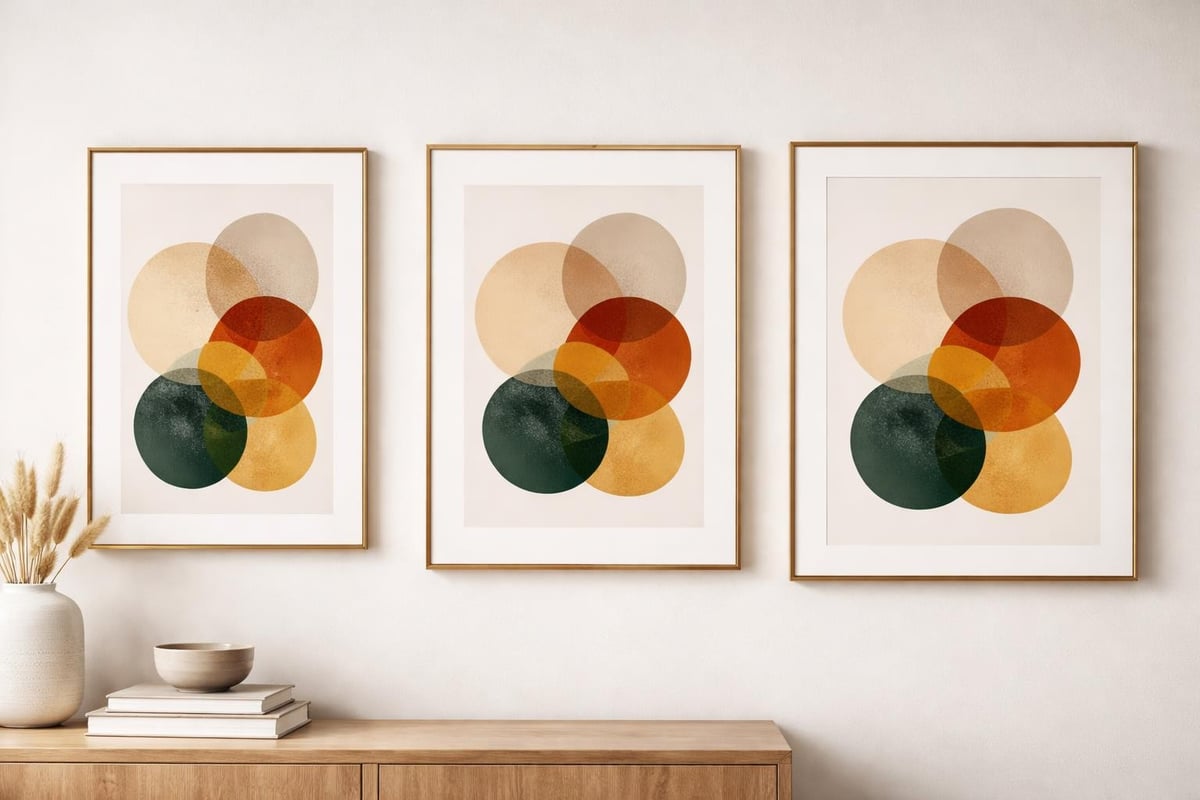
| Frame Width | Artwork Size | Visual Effect | Best Use Case |
|---|---|---|---|
| 0.5 - 1.5 inches | Small to medium (under 20 inches) | Subtle definition | Delicate works, gallery walls |
| 1.5 - 3 inches | Medium to large (20-40 inches) | Balanced presence | Most abstracts, standalone display |
| 3+ inches | Large (40+ inches) | Architectural statement | Focal pieces, high ceilings |
Color Coordination Between Frame and Artwork
Frame color choices dramatically influence how viewers perceive an abstract composition's palette and energy. Black frames provide maximum contrast and create crisp boundaries that intensify colors, particularly effective for vibrant chromatic works. Black also offers timeless versatility that transcends temporary design trends.
White frames create cohesive relationships with lighter backgrounds and contemporary interiors, offering clean sophistication. White frames work particularly well for abstracts incorporating significant negative space or pastel palettes where darker frames would create excessive contrast.
Natural wood tones bridge traditional and contemporary aesthetics, warming cool color palettes while grounding energetic compositions. The grain patterns in wood frames can either complement or compete with artwork textures, requiring careful matching.
Metallic finishes including gold, silver, and bronze introduce luxury elements suitable for pieces with inherent precious metal details or those requiring elevated presentation. Contemporary metallics in brushed or matte finishes avoid the ornate associations of traditional gilt frames while adding refined elegance.
Works exploring balance through layered geometry, such as bold abstract art compositions, often benefit from frames that echo their structural precision rather than competing with organic elements.
Custom Framing Versus Ready-Made Solutions
Custom framing offers unlimited design possibilities tailored to specific artwork requirements and display contexts. Professional framers provide expertise in material selection, proportional relationships, and conservation techniques that protect investments while achieving precise aesthetic goals. Custom work accommodates non-standard sizes, unusual shapes, and specific conservation needs impossible with prefabricated options.
Ready-made frames deliver immediate solutions at fraction of custom costs, suitable for standard sizes and less valuable pieces. Many contemporary artists create work in standard dimensions specifically to accommodate readily available framing, reducing collector costs while maintaining professional presentation.
- Custom framing: Unlimited options, perfect fit, conservation standards, higher cost
- Ready-made: Immediate availability, lower cost, standard sizes only, variable quality
- Semi-custom: Standard sizes with material upgrades, middle ground pricing
- DIY solutions: Maximum budget control, requires skill and tools, variable results
The decision between custom and ready-made often depends on the artwork's value, uniqueness, and intended display duration. Pieces intended as permanent collection additions warrant custom investment, while temporary displays or experimental arrangements may utilize more economical solutions.
Installation and Display Considerations
Proper hanging ensures abstract artwork framed pieces maintain level presentation while protecting wall surfaces and artwork integrity. Hardware selection must support the combined weight of artwork, frame, and glazing with appropriate safety margins. Wire hanging systems distribute weight across frame backs, while D-rings or sawtooth hangers suit lighter pieces.
Wall anchors vary by wall composition, with drywall requiring different solutions than plaster, brick, or concrete. Professional installation prevents damage to both artwork and architecture while ensuring proper positioning and security.
Lighting dramatically influences how viewers perceive abstract compositions. Natural light offers ideal color rendering but carries UV damage risks requiring protective glazing. Artificial lighting allows controlled intensity and direction, with LED systems providing excellent color rendering without heat damage concerns.
Grouping and Gallery Wall Strategies
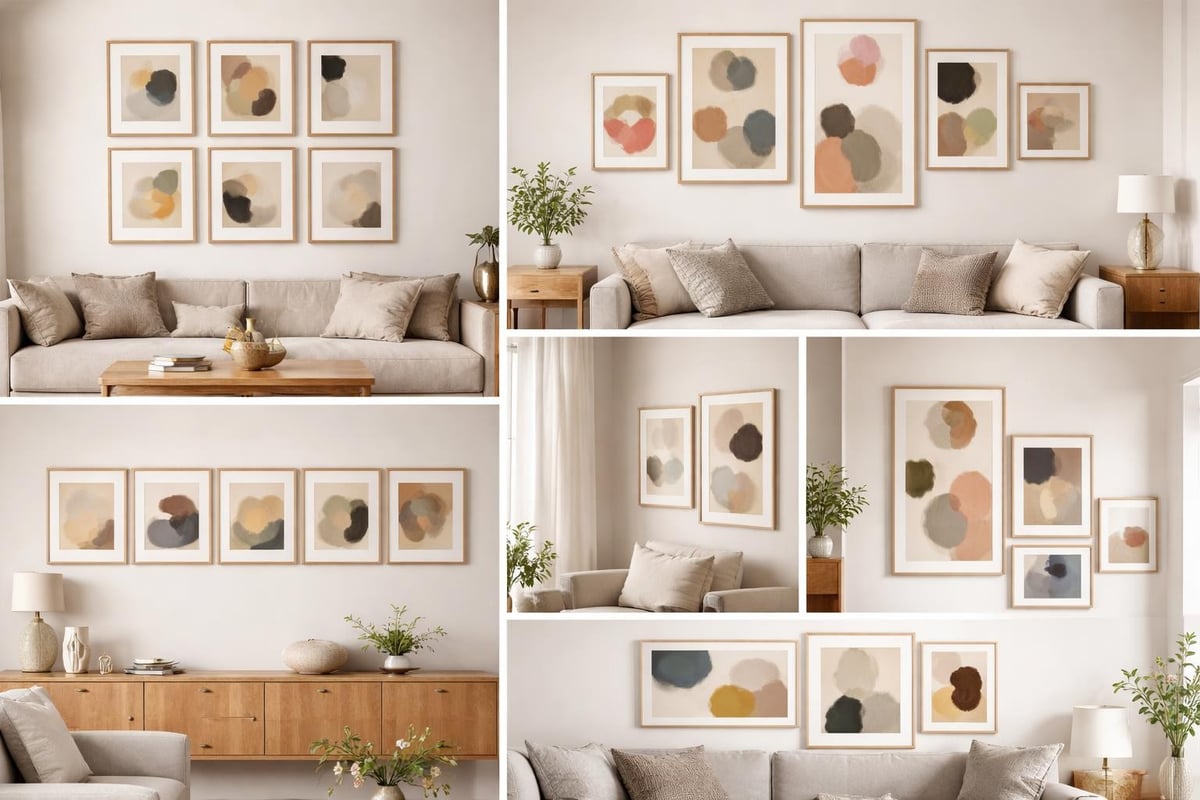
Multiple abstract artwork framed pieces create dynamic installations that exceed individual artwork impact. Spacing consistency maintains visual cohesion, with 2 to 4 inches between frames creating connected relationships without crowding. Larger spacing (6+ inches) emphasizes individual piece autonomy within grouped presentations.
Alignment strategies include symmetrical grids, organic clustering, and linear progressions. Symmetrical arrangements deliver formal sophistication, while organic groupings create casual, collected-over-time aesthetics. Mixed frame styles within groups require careful color and proportion relationships to avoid visual chaos.
Maintenance and Long-Term Care
Regular maintenance preserves both frame and artwork condition. Dusting should occur monthly using soft, lint-free cloths on frame surfaces, avoiding contact with glazing that could scratch or leave residue. Glass cleaners damage many frame finishes and should never contact artwork directly.
Annual inspections identify emerging conservation issues before they cause permanent damage. Check for:
- Condensation or moisture between glazing and artwork
- Mat discoloration indicating acid migration
- Frame joint separation or finish deterioration
- Mounting failure or artwork shifting within frame
- Insect damage to wood frames or paper artwork
Professional conservation assessment every 5 to 10 years ensures valuable pieces receive necessary interventions before minor issues become major restoration projects. Re-framing may become necessary as materials age or presentation standards evolve.
Investment Considerations and Value Protection
Quality framing represents significant investment that protects and enhances artwork value. Documentation including framing receipts, materials specifications, and conservation reports supports insurance claims and future sales. Photograph artwork before and after framing to document condition and presentation choices.
Insurance coverage should account for frame value in addition to artwork appraisals. Specialized fine art insurance provides broader protection than standard homeowner policies, covering shipping damage, exhibition risks, and market value fluctuations.
The right frame increases artwork marketability and achievable prices. Collectors expect conservation framing on valuable pieces, with substandard presentation suggesting either artwork devaluation or owner negligence. Professional presentation signals serious collecting intent and appropriate artwork stewardship.
Pieces featuring chromatic compositions exploring balance through geometric layering benefit particularly from thoughtful framing choices. The Chromatic Study 8.5x11 exemplifies work where frame selection becomes critical to maintaining the artist's intended color relationships and compositional tension, with vibrant yellows, blues, and pinks requiring frames that enhance rather than compete with the bold palette.
Adapting Frames to Interior Design Evolution
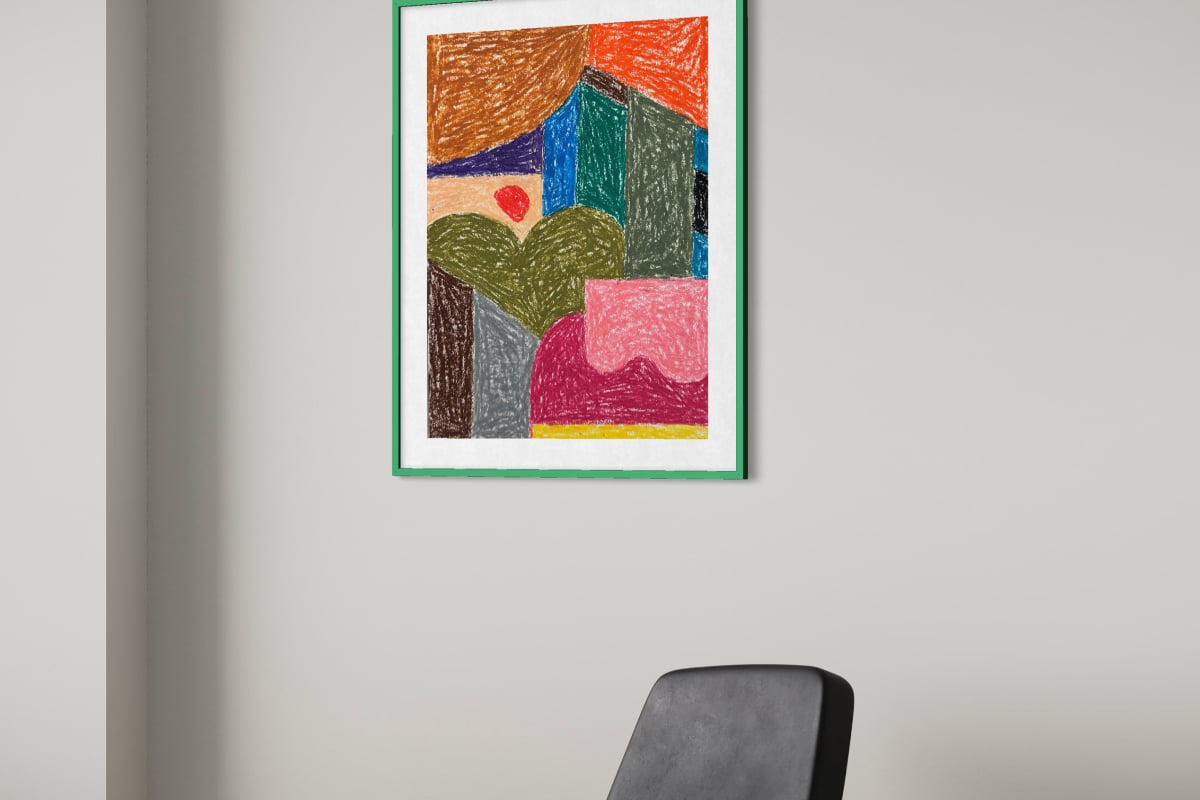
Interior design trends shift continuously, but quality abstract artwork framed properly transcends temporary fashions. Neutral frame choices including black, white, natural wood, and simple metals adapt across multiple design eras and aesthetic shifts. Trendy colored or ornate frames risk appearing dated as design preferences evolve.
Modular framing systems allow frame changes without artwork handling, protecting pieces while accommodating evolving display preferences. Gallery-style clip frames and museum mounting systems offer this flexibility, though at higher initial costs than traditional framing.
Consider the intended display duration when selecting frames. Rental properties, temporary offices, or frequently redesigned spaces benefit from versatile, easily changeable framing. Permanent residences and established collections justify investment in custom conservation framing aligned with long-term aesthetic visions.
Regional and Cultural Framing Traditions
Framing preferences vary significantly across geographical regions and cultural contexts. European traditions favor wider mats and more ornate frames compared to minimalist American contemporary preferences. Asian markets increasingly adopt floating presentations and minimal frames that emphasize artwork over presentation apparatus.
Understanding these variations matters when acquiring work created in different cultural contexts or preparing pieces for international exhibition or sale. Artwork considerations extend beyond the piece itself to encompass presentation expectations within specific markets and display contexts.
Commercial spaces including corporate offices, hospitality venues, and retail environments often require different framing approaches than residential installations. Durability, cleaning ease, and brand alignment influence commercial framing decisions alongside aesthetic considerations.
Sustainability in Frame Production and Materials
Environmental consciousness increasingly influences framing material choices. Sustainably harvested wood from certified forests, recycled metals, and eco-friendly finishes reduce framing's environmental impact. Some framers now offer carbon-neutral operations and take-back programs for old frames.
Longevity itself represents sustainable practice, as quality conservation framing prevents artwork damage requiring resource-intensive restoration. Durable materials lasting decades prove more sustainable than cheaper options requiring frequent replacement.
Local frame production reduces shipping emissions while supporting community craftspeople. Custom framers source locally when possible, offering transparent material origin information for environmentally conscious collectors.
Abstract artwork framed using sustainable materials demonstrates commitment to environmental stewardship without compromising presentation quality or conservation standards. This approach aligns with broader collecting values prioritizing responsible acquisition and display practices.
Professional Relationships and Expert Consultation
Developing relationships with professional framers provides ongoing expertise for growing collections. Master framers certified through professional organizations bring advanced technical knowledge and artistic sensitivity to complex framing challenges. These professionals understand how abstract compositions work visually and can recommend solutions that enhance rather than detract from artistic intention.
Consultation before purchase prevents costly mistakes, ensuring artwork dimensions work with available framing options and display spaces. Some framers collaborate directly with artists, understanding specific handling requirements and presentation preferences for particular works or techniques.
Regular consultation as collections grow helps maintain consistent presentation quality and conservation standards. Professional framers track emerging materials, techniques, and conservation research, bringing these innovations to client projects as appropriate.
For collectors building significant holdings, considering how pieces in contemporary large art categories integrate through coordinated framing creates cohesive presentations that elevate individual pieces while building meaningful visual dialogues across the collection.
Selecting and framing abstract artwork requires balancing aesthetic vision with conservation responsibility, ensuring pieces maintain their impact and value across decades. Understanding material options, proportional relationships, and proper installation techniques transforms raw acquisitions into professional presentations worthy of the artistic vision they represent. Whether you're drawn to vibrant chromatic compositions or minimal geometric explorations, Nathalie Chikhi offers original artworks and prints ready to transform your space with thoughtful color relationships and compositional balance. Explore the collection today and discover pieces that reward careful framing with lasting visual impact.
