

The world of art art canvas encompasses far more than simply stretched fabric waiting for paint. This fundamental medium has carried humanity's creative expression for centuries, serving as the foundation for masterworks that hang in museums and private collections worldwide. Understanding the nuances of canvas as an artistic support, its preservation requirements, and what makes certain canvas artworks valuable helps collectors make informed decisions when acquiring original pieces. Whether you're considering your first canvas purchase or expanding an established collection, knowing the technical and aesthetic dimensions of this medium transforms how you evaluate and appreciate art.
Understanding the Art Art Canvas Foundation
Canvas emerged as a revolutionary painting support during the Renaissance, gradually replacing wooden panels as artists sought lighter, more portable surfaces. The evolution of oil painting techniques transformed canvas into the preferred medium for serious artistic work. Today's art art canvas pieces range from intimate studies to monumental installations, each requiring specific preparation methods and material considerations.
Material Composition and Quality Indicators
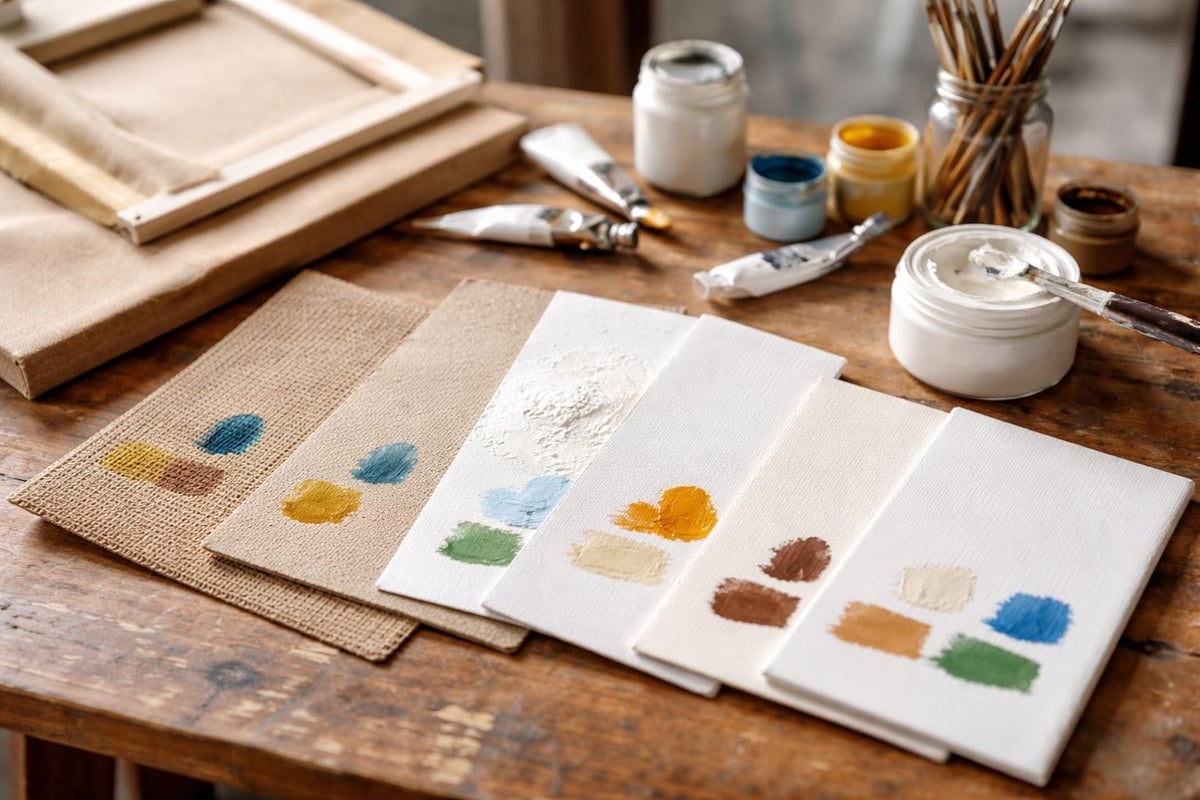
Not all canvas materials deliver equal performance or longevity. Professional artists select from several fabric types, each offering distinct characteristics:
- Linen canvas: Premium choice with superior archival qualities and minimal expansion
- Cotton canvas: More affordable alternative with reliable structural integrity
- Synthetic blends: Modern options providing consistent texture and moisture resistance
- Belgian linen: Highest-grade option favored for museum-quality works
The weave density, thread count, and priming method significantly impact how an art art canvas accepts and holds paint. Artists working with oil pastels, acrylics, or traditional oils each require different surface preparations. Pre-primed canvases save time but custom priming allows artists to control absorbency and texture precisely.
Selecting Art Art Canvas for Your Collection
Acquiring original artwork on canvas requires evaluating multiple factors beyond immediate visual appeal. Savvy collectors examine both aesthetic elements and technical execution before committing to a purchase. The art art canvas market in 2026 offers unprecedented access to emerging and established artists through online platforms and traditional galleries.
Authentication and Documentation Standards
Every serious art art canvas acquisition should include proper documentation establishing provenance and authenticity. Certificates of authenticity provide crucial verification, especially for limited editions and original works. When exploring collections like those available at Nathalie Chikhi, look for these documentation elements:
- Artist signature and date clearly visible on the work
- Certificate of authenticity with matching details
- Archival materials confirmation specifying canvas and medium quality
- Edition numbering for limited series
- Photographic documentation of the creation process when available
Original works on archival paper sometimes command different considerations than traditional canvas, but both require appropriate documentation. Understanding these distinctions helps collectors build coherent, valuable portfolios.
| Documentation Type | Purpose | Importance Level |
|---|---|---|
| Certificate of Authenticity | Proves originality | Critical |
| Artist Biography | Provides context | High |
| Material Specifications | Confirms archival quality | High |
| Exhibition History | Establishes provenance | Medium |
| Conservation Records | Documents care | Medium |
Conservation and Preservation Methods
Proper care extends the lifespan of art art canvas pieces indefinitely. Art conservation principles emphasize preventive measures over reactive restoration. Environmental controls, handling protocols, and display considerations all contribute to long-term preservation success.
Environmental Control Requirements
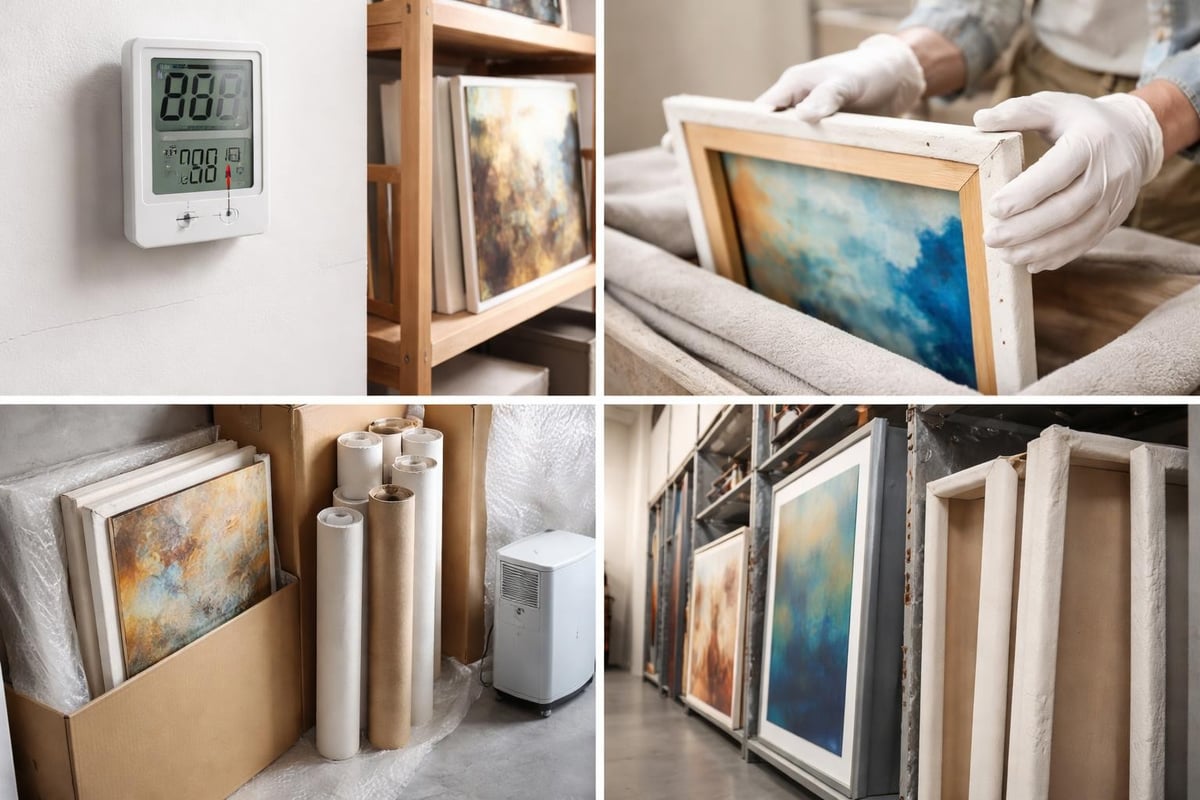
Canvas artworks respond dramatically to environmental fluctuations. Temperature swings cause expansion and contraction cycles that stress painted surfaces and canvas fibers. Professional conservators recommend maintaining stable conditions within these parameters:
Temperature: 65-70°F (18-21°C) with minimal variation Humidity: 45-55% relative humidity year-round Light exposure: Less than 150 lux for sensitive works, avoiding direct sunlight Air quality: Filtered ventilation preventing dust and pollutant accumulation
The structural integrity of art art canvas depends heavily on preventing moisture damage and physical stress. Even minor environmental lapses can trigger mold growth, canvas sagging, or paint layer separation. Investing in conservation-grade framing and display systems protects your collection investment.
Common Conservation Challenges
Canvas paintings face specific deterioration patterns requiring professional intervention. Understanding these issues helps collectors identify problems early and seek appropriate conservation services. Paintings on canvas present unique restoration challenges compared to other supports.
Typical problems include canvas slackening, where the fabric loses tension over time. This often results from humidity changes or inadequate stretcher bar construction. Professional restreching restores proper tension without damaging the paint layer. Surface cleaning requires specialized knowledge, as improper techniques can remove original glazes or damage delicate passages.
Paint layer adhesion issues manifest as flaking or blistering, particularly in works created with incompatible materials or improper ground preparation. Conservation specialists can consolidate loose paint, but prevention through proper initial execution remains paramount. When examining potential art art canvas acquisitions, inspect carefully for these condition indicators.
Artistic Techniques on Canvas
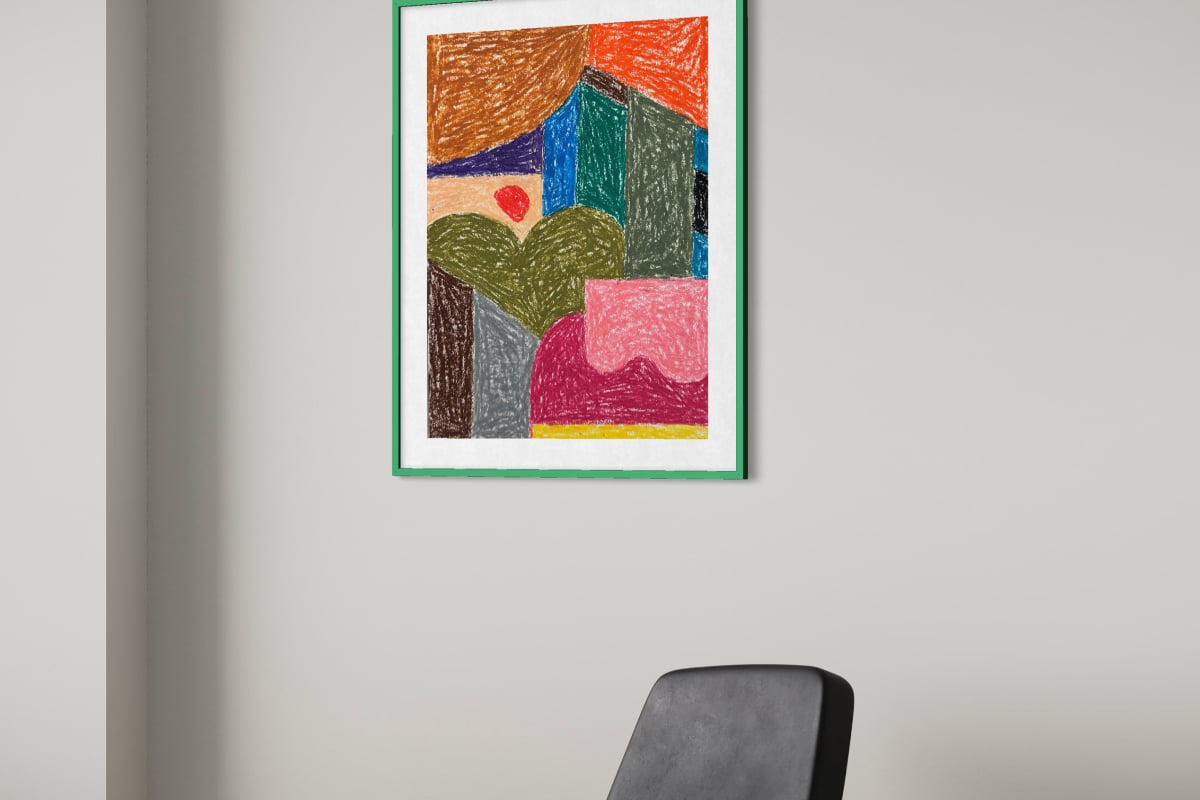
Contemporary artists employ diverse approaches when working with canvas supports. Traditional methods coexist with experimental techniques, expanding the expressive possibilities of this versatile medium. The chromatic exploration found in works like the chromatic study demonstrates how artists push boundaries with layered geometry and vibrant palettes on archival surfaces.
Layering and Texture Development
Building visual depth on art art canvas requires understanding how different media interact. Oil pastels offer unique textural qualities distinct from traditional oils or acrylics:
- Direct application: Bold, immediate marks with rich color saturation
- Blending techniques: Creating smooth transitions and atmospheric effects
- Resist methods: Combining with other media for textural contrast
- Scraffito: Scratching through layers to reveal underlying colors
- Impasto effects: Building dimensional surface qualities
Artists working on archival paper sometimes achieve effects impossible on traditional canvas. The absorbency, texture, and handling characteristics of quality paper supports enable different mark-making approaches. Collectors should appreciate these technical distinctions when evaluating art art canvas works across various substrates.
Investment Considerations for Canvas Art
The art art canvas market operates according to complex valuation principles combining aesthetic merit, artist reputation, condition, provenance, and market timing. Building a meaningful collection requires balancing personal aesthetic preferences with sound investment logic. Unlike mass-produced prints, original canvas works offer unique ownership experiences and potential appreciation.
Valuation Factors and Market Dynamics
Several key elements determine art art canvas pricing in the current market:
| Factor | Impact on Value | Considerations |
|---|---|---|
| Artist Recognition | High | Exhibition history, critical reception |
| Condition | High | Conservation needs, original state |
| Provenance | Medium-High | Ownership history, documentation |
| Size | Medium | Display practicality, visual impact |
| Subject Matter | Medium | Market trends, collector preferences |
| Materials Quality | Medium | Archival standards, longevity |
Emerging artists often offer exceptional value propositions before market recognition drives prices upward. Researching an artist's trajectory, technical skill development, and thematic consistency helps identify promising talents. The historical materials and techniques used in canvas preparation can significantly influence long-term value retention.
Building a Cohesive Collection
Successful art art canvas collections demonstrate intentionality rather than random accumulation. Consider these strategic approaches:
- Thematic focus: Concentrating on specific subjects, movements, or concepts
- Artist development: Following particular artists through career phases
- Medium exploration: Examining how different artists approach canvas
- Regional representation: Supporting artists from specific geographic areas
- Chromatic relationships: Building color harmonies across multiple works
Collections reflecting deliberate curation strategies often appreciate more consistently than random assemblages. The investment extends beyond financial considerations into cultural participation and aesthetic environment creation.
Display and Presentation Strategies
How you present art art canvas pieces profoundly affects viewer experience and artwork preservation. Professional framing serves both protective and aesthetic functions, while placement decisions influence how works interact with architecture and lighting. The transition from studio to display environment requires careful planning.
Framing Standards for Canvas Works
Traditional canvas stretching often eliminates framing requirements, allowing the work's edges to remain visible. This gallery wrap approach suits contemporary aesthetics but offers less physical protection. Alternative presentation methods include:
Float mounting: Canvas suspended within a frame with visible margins Traditional framing: Canvas placed behind glass in protective enclosure Shadow box presentation: Creating dimensional depth around the work Museum-style hanging: Simple wire systems emphasizing the artwork itself
Each approach carries implications for conservation, aesthetic impact, and installation flexibility. Discussing framing options with experienced framers ensures decisions align with both artistic intent and preservation requirements. Some art art canvas pieces, particularly works on archival paper, require glazing for long-term protection.
Lighting Design for Canvas Display
Proper illumination reveals an art art canvas work's full visual potential while avoiding conservation damage. Professional lighting designers balance these competing demands through careful fixture selection and positioning. LED technology in 2026 offers superior color rendering without harmful UV emissions or excessive heat generation.
Consider these lighting principles when displaying canvas artworks:
- Angle of incidence: Position lights at 30-degree angles to minimize glare
- Color temperature: Use 3000-4000K bulbs for neutral color rendering
- Adjustable intensity: Install dimmer controls for varying viewing conditions
- Accent versus ambient: Layer lighting types for dimensional effect
- Conservation compliance: Maintain recommended lux levels for sensitive works
The interplay between natural and artificial light requires monitoring throughout the day and across seasons. Window treatments, wall colors, and adjacent surfaces all influence how viewers perceive art art canvas pieces in residential or commercial settings.
The Artist's Perspective on Canvas Selection
Understanding why artists choose specific canvas types illuminates the creative decision-making process. Material selection directly impacts technical execution, visual outcomes, and archival longevity. Contemporary artists balance traditional approaches with innovative alternatives, expanding what art art canvas can mean in 2026.
Surface Preparation Philosophy
The relationship between artist and canvas begins long before paint application. Ground preparation establishes the foundation for all subsequent work. Some artists prefer commercially prepared surfaces for consistency, while others insist on custom priming to achieve specific effects. Conservation and restoration research reveals how preparation quality affects long-term stability.
Traditional gesso application involves multiple thin layers built up gradually, creating luminous surfaces that glow beneath transparent color layers. Modern acrylic grounds offer different handling characteristics, drying quickly and providing consistent tooth. The choice between traditional and contemporary materials reflects artistic priorities regarding texture, absorbency, and working methods.
Oil pastel work on archival paper requires different surface considerations than traditional oil painting on canvas. The tooth must grip the waxy medium while allowing layering and blending. Artists working across multiple substrates develop nuanced understanding of how each surface responds to their particular techniques and aesthetic goals.
Collecting Strategies for Different Budgets
Art art canvas accessibility has expanded dramatically with online platforms connecting collectors directly with artists. Budget constraints need not prevent meaningful collection building when approached strategically. The key lies in identifying quality work at various price points and understanding value beyond immediate monetary investment.
Entry-Level Acquisition Approaches
New collectors often begin with original works on paper before graduating to larger canvas pieces. This progression allows aesthetic development and relationship building with artists whose work resonates personally. Limited edition series and smaller formats provide affordable entry points while maintaining originality and investment potential.
Budget Range $200-$500:
- Original works on archival paper
- Small-format canvas studies
- Emerging artist pieces
- Limited edition prints with unique elements
Budget Range $500-$2000:
- Medium-sized original canvases
- Established emerging artist works
- Series pieces from coherent bodies of work
- Works with strong documentation
Budget Range $2000+:
- Major statement pieces
- Mid-career artist acquisitions
- Large-format impactful works
- Investment-grade purchases
Understanding these tier distinctions helps allocate resources effectively while building collections that bring genuine satisfaction. The art art canvas market rewards patience, research, and relationship cultivation with artists whose vision aligns with collector sensibilities.
Technical Innovation in Canvas Art
The intersection of traditional canvas methods and contemporary innovation continues evolving. Artists experiment with unconventional materials, digital integration, and hybrid techniques that challenge conventional definitions. While respecting art art canvas heritage, forward-thinking practitioners push boundaries in exciting directions.
Contemporary Material Exploration
Modern artists access materials unavailable to historical practitioners. Synthetic canvas alternatives offer enhanced durability and dimensional stability. Specialty coatings provide unusual surface qualities enabling unique mark-making approaches. Some artists incorporate mixed media elements, collage components, or three-dimensional additions that transform flat canvas into relief sculpture.
The dialogue between preservation and innovation sometimes creates tension. Conservation professionals advocate for proven archival materials, while experimental artists prioritize immediate expressive needs. Collectors must decide their comfort level with unconventional approaches when building art art canvas collections. Documentation of materials and techniques becomes especially crucial for works employing non-traditional methods.
Digital tools increasingly influence canvas art creation without replacing hands-on making. Artists use projection mapping for composition planning, digital color studies informing palette development, and documentation technology capturing creative process stages. These hybrid workflows enhance rather than diminish the physicality of art art canvas work.
Cultural Context and Contemporary Relevance
Canvas painting's enduring relevance despite digital alternatives speaks to fundamental human needs for physical, tangible artistic expression. The art art canvas tradition connects contemporary practitioners with centuries of creative exploration while remaining vitally current. Understanding this cultural positioning enriches both creation and collection activities.
The Handmade Object in Digital Culture
Physical artworks offer counterpoint to screen-based experiences dominating modern life. The textural richness, dimensional presence, and unique materiality of art art canvas pieces provide sensory engagement impossible through digital reproduction. Collectors increasingly value this tangible authenticity as digital saturation intensifies.
Original works carry embedded evidence of their creation process. Brushstrokes, layering decisions, and surface texture reveal the artist's hand and thinking. This physical record of creative decision-making establishes intimate connection between maker and viewer. No digital file or print reproduction captures these dimensional qualities fully, explaining why original art art canvas works command premium valuations.
The ritual of experiencing art in person, observing how light plays across textured surfaces and discovering subtle details invisible in photographs, reinforces canvas art's irreplaceable role. Museums and galleries continue thriving because physical presence before original works creates experiences transcending digital viewing.
The exploration of art art canvas reveals a rich intersection of material science, artistic technique, preservation knowledge, and aesthetic appreciation. Whether you're drawn to chromatic studies, geometric abstractions, or other contemporary approaches, understanding the technical and cultural dimensions of canvas art enhances every acquisition decision. Nathalie Chikhi offers collectors access to original artworks and prints exploring diverse themes through expert technique on quality materials, each piece accompanied by proper documentation and created with archival integrity. Discover how thoughtfully selected canvas works transform living spaces while building meaningful collections that reward both immediate enjoyment and long-term appreciation.
